Lieutenant Colonel
FRANK BERTRAM LEGH, O.B.E., M.C.
Royal Engineers
by
Lieutenant Colonel Edward De Santis
Ó 2017.
All Rights Reserved.
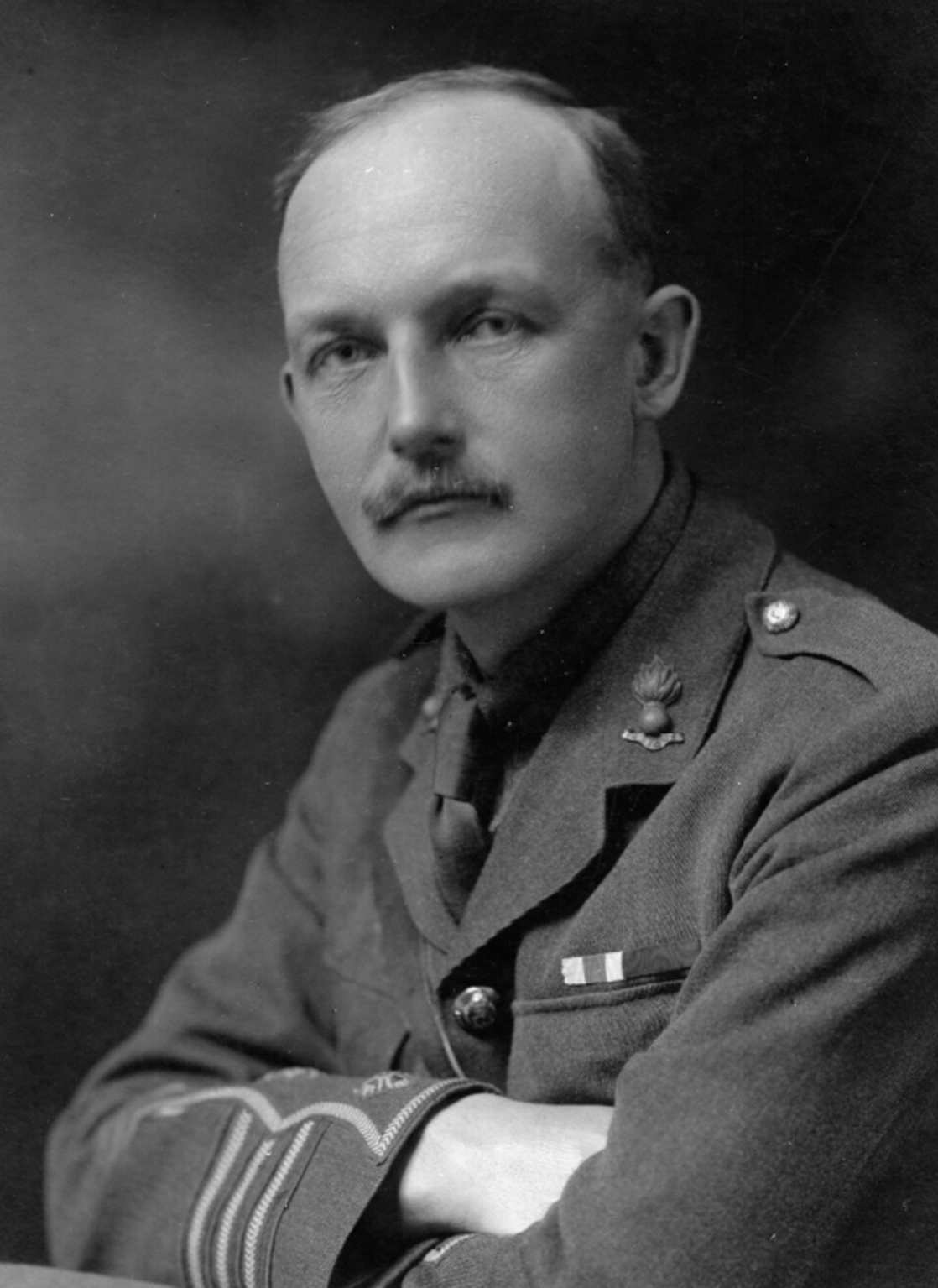
Figure 1. Lieutenant Colonel Frank Bertram Legh, O.B.E., M.C., R.E.
1. INTRODUCTION
Lieutenant Colonel Legh's medals were added to my collection in 1978.
Legh's medals include the Order of the
The research of Frank Bertram Legh's story begins with his grandmother,
London-born Catharine Legh. The 1861
Census of England shows Catharine Legh, 58 years of age, as the head of a
household living at Marlbone Villa in
No information was uncovered during this research to indicate who
Catharine Legh’s husband was. Either
she was a woman of some means in her own right, or her husband had left her in a
good position financially, presumably after his death.
In addition to being able to afford the costs associated with keeping a
son at
Henry Edmund Legh would become the father of Frank Bertram Legh.
The 1881 Census of England shows Henry Edmund Legh, 41 years of age,
residing at
·
Catherine G. Legh, 8 years of age, born in
·
Edmund W. Legh, 7 years of age, born in Leigh,
·
Agnes H. Legh, 3 years of age, born in Leigh,
·
Isabelle Legh, 11 months old, born in
Both Catharine and Edmund are shown as scholars in the census return. Frank Bertram Legh does not appear in the 1881 census, as he was born after the census was taken.
The 1881 census listed three domestic servants in the Legh household: a
40-year old cook (spinster) named Mary A. Mason from Bentley,
Frank Bertram Legh was born at
Frank attended a junior school at Tonbridge and then spent four years at
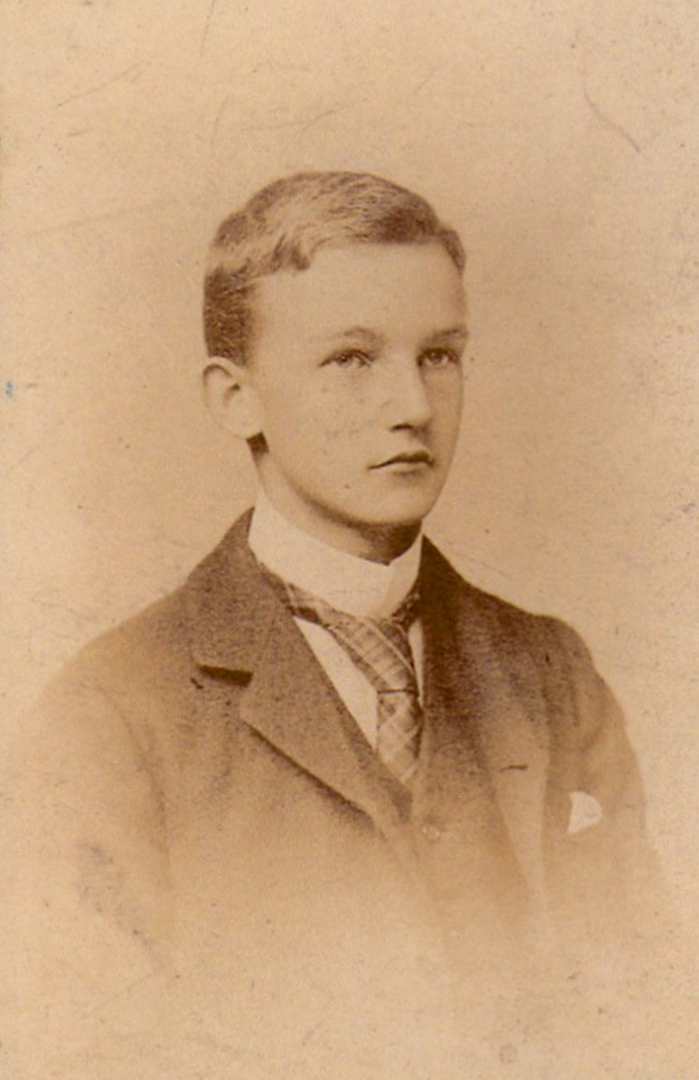
Figure 2. Frank Bertram Legh
as a Young Boy.
3. COMMISSIONING AND PRE-WAR SERVICE
Frank
Bertram Legh was commissioned a 2nd Lieutenant in the Royal Engineers
on the 18th of August 1900.[7]
The 1901 British Census shows that 2nd Lieutenant Legh was
stationed at St. Mary Barracks in
By April of 1903 2nd Lieutenant Legh was serving on the island
of Mauritius.[8],[9]
It is likely that he was serving in the 43rd Fortress Company
of the Royal Engineers at this time. This company had been formed on
The Army Lists show Legh serving on the
Lieutenant Legh was posted home from St. Helena and in January of 1905 he
was assigned to company duties with "A" (Depot) Company at the
His company officer duties with "A" (Depot) Company continued
until sometime in late 1906 or early 1907. Monthly
Army Lists for early 1907 show him serving at
Ireland
(1907-1912)
Lieutenant Legh was posted to
Captain Legh reported to
Captain Legh reported for duty with the 31st Fortress Company,
Royal Engineers in
"The
31st Fortress Company consisting of Captain F.B. Legh, R.E.,
Lieutenant Carter, R.E. and 22 NCOs and men, embarked on P. & O. Morea on
the 23rd of September 1914.
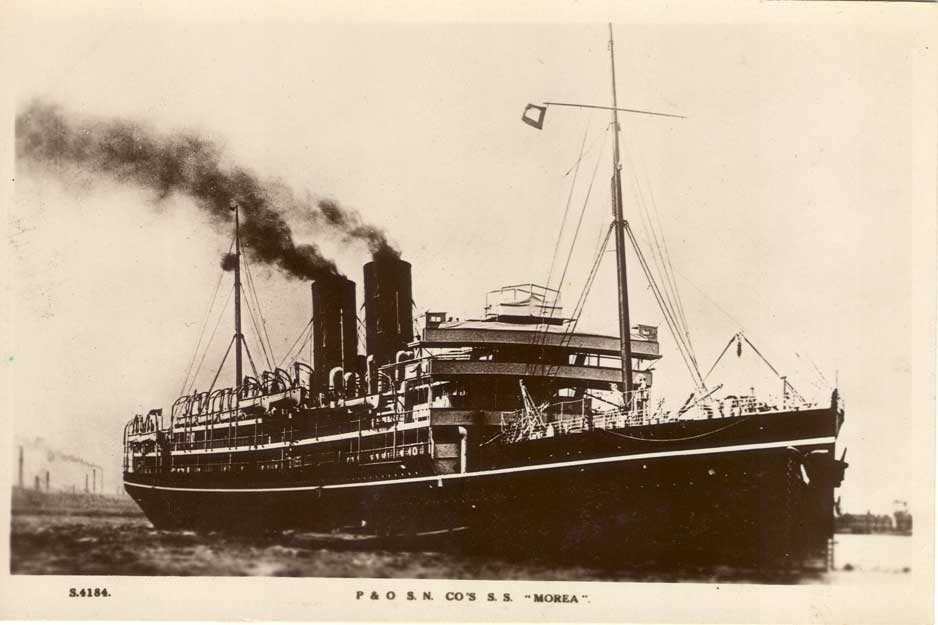
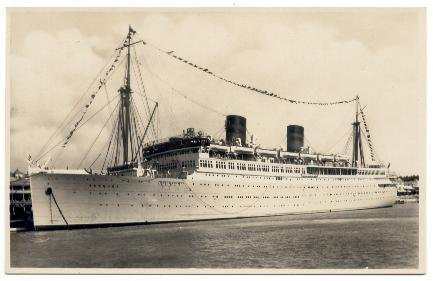
Figure 3. S.S. Morea, circa
1914.
The
voyage was uneventful until they reached Bombay on the morning of the 26th
of September, when they heard that an armed merchantman or cruiser had chased
them during the night. The native
crew left as soon as the vessel was berthed, and a new crew could not be
obtained because of the funk. It
seemed that the ship would be delayed, but the men were thought of, and on being
asked by the chief officer, they took on the job as deck hands to work the ship
to
On
reaching
Before
leaving the ship at
Home Service (1914)
Captain Legh and his company arrived at Tilbury on the 17th of
October 1914. Legh remained at home
for about two months until the 14th of December when he was posted to
the British Expeditionary Force in
NOTE: See Addendum 11 for the actual date of Legh's departure from the 31st
Fortress Company.
4.
CAMPAIGN SERVICE
After his arrival in France, Captain Legh was probably assigned to a field survey unit.
This assumption is based on the fact that a significant portion of his
previous service to this point had involved survey work and that references
consulted for this narrative next place him in a Field Survey Company in
To better understand the organization and work done by the units to which Legh was assigned, a brief description of the mission and organization of the field survey units is in order. During the Great War of 1914-1918, the field survey units of the Royal Engineers were responsible for the following tasks in support of the armies of the British Expeditionary Force in the field:
a. Development of maps in the following categories:
(1) Trench maps.
(2) Barrage maps.
(3) Target maps.
(4) Topographical maps.
(5) Enemy organization maps.
b. Trigonometric and topographical survey.
c. Air Survey.
d. Map compilation.
e. Drawing and printing.
f. Sound-ranging.
g. Flash-spotting.
h.
Battery survey.
i. Predicted fire.
British survey work during the war was mainly carried out by the Sappers, with a significant amount of support from the Royal Artillery. Their task was to neutralize the German machine gun and artillery while the infantry and tanks crossed no man's land and captured and consolidated the enemy positions, or fought through to exploit success and maneuvered to threaten the enemy's flanks and rear.
The field survey units of the Royal Engineers initially were organized as companies. A Field Survey Company consisted of the following sections:
· Headquarters
· Topographical Section
· Map Section
· Observation Section
· Sound-Ranging Section
Four
of these companies were formed in
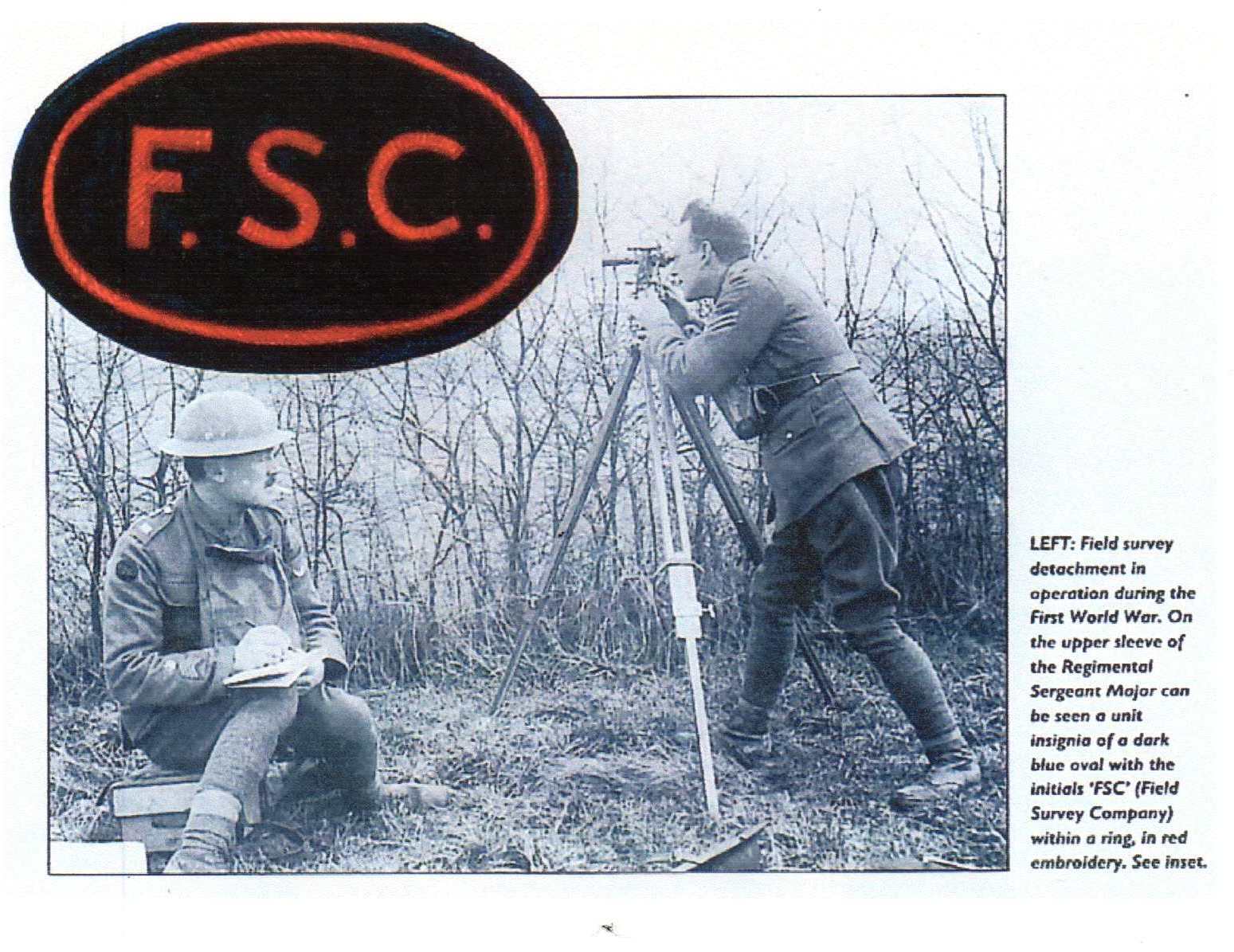
Figure
4. A Field Survey Detachment in the
Field in France.
The Field Survey Companies serving overseas in May of 1918 were the following:
1st, 3rd, 4th , 5th
Field Survey and Depot Companies......................................
6th Field Survey Company.............................................................................
7th Field Survey Company.............................................................................
8th Field Survey Company.............................................................................
In order to regularize the establishment of skilled personnel attached to Field Survey Companies in France and to enable these personnel to be replaced in the units from which they had been withdrawn, the Field Marshal Commanding-in-Chief recommended in May of 1918, that field survey units in Armies should be organized as battalions, each under the command of a Lieutenant Colonel, with an Adjutant. This was approved and each battalion was organised as follows:
1 Headquarters Section
2 Artillery Sections
Corps Topographical Section
The Headquarters Section had the mission of surveying, compilation and printing. Each Artillery Section consisted of Sound-Ranging Sections and Observation or "Flash Spotting" Groups. "Flash Spotting" was a colloquial and semi-official name applied to detachments engaged on visual observation of enemy fire. At different times they were named Artillery Survey Sections, Artillery Survey Detachments, Observation Sections and finally, Observation Groups.[19] Units were placed for tactical purposes under the direct control of the General Officers Commanding, Royal Artillery in the Field Armies.
Five Field Survey Battalions were formed for the First, Second, Third, Fourth and Reserve (Fifth) Armies. The Depot Field Survey Company also was organized into a battalion under the command of a Lieutenant Colonel.
Little
is known of Legh's early service during the war except that he was mentioned in
the despatches of Field Marshal J.D. French dated the 30th of
November 1915.[20]
Captain Legh probably was serving in one of the topographical, map,
observation or sound-ranging sections that existed in
On the 19th of July 1916 the 5th Field Survey Company was formed for the new Reserve (Fifth) Army. This company was commanded at that time by Captain B.F.E. Keeling, R.E.[21] Captain Legh's section appears to have been assigned to this company.[22] NOTE: The war diary of the 5th Field Survey Company may be found in an Addendum to this narrative.
Soon after the formation of the company, Keeling and his men were engaged in some of the major actions of the war. These included the Battle of Thiepval (26 to 28 September 1916), the Battle of Le Transloy (1 to 18 October 1916) and the Battle of Ancre Heights (1 October to 11 November 1916).[23] On the 2nd of November 1916, during this latter battle, Legh was promoted to the rank of Major.[24]
On
the 1st of January 1917 the 5th Field Survey Company was
located at Toutencourt with the Fifth Army Headquarters.
On this same date the London Gazette published the award of the Military
Cross to Major Legh.[25]
Major Keeling was in
Major
Legh left the Albert area with Fifth Army Advanced Headquarters on the 2nd
of June 1917 and moved to La Lovie Chateau, two miles northwest of Poperinghe.
On the 3rd of July he departed from
Major Legh and the 5th Field Survey Company next took part in the Battle of Pilckem between the 31st of July and the 2nd of August 1917. He then saw action in the Battles of Menin Road (20 to 25 September 1917) and Passchendaele (26 October to 10 November 1917).[28] For his service during this latter action, Major Legh in mentioned in the despatches of Sir Douglas Haig dated the 7th of November 1917.[29]
On
the 17th of November 1917 Major Legh attended the monthly
sound-ranging conference at St. Pol. His
company's headquarters was still located at La Lovie Chateau at this time.
Immediately following the conference, on the 20th of November,
Major Legh returned to
The
5th Field Survey Company moved from Proven in
On the 23rd of February, Major Legh and all officers commanding Field Survey Companies attended a conference at GHQ to coordinate defence arrangements and to clarify policy in the event of an enemy breakthrough in the Fifth Army sector, or a retirement of the army. Legh called a conference at 5th Field Survey Company headquarters at Lamotte on the 25th of February. His purpose was to make the defensive doctrine clear to all group and section commanders.[33]
At
some point early in 1918 Legh was appointed an Acting Lieutenant Colonel.[34]
He proceeded home to
By the 2nd of June 1918 the 5th Field Survey Company was with the Fourth Army in the Villers Bretonneux-Albert area[36] and on the 23rd of June Legh was notified that his unit would become a Field Survey Battalion with an organization as previously indicated.[37]
The 5th Field Survey Battalion's next major action after its reorganization was the Battle of Hamel, which took place on the 4th of July 1918.[38] Legh was appointed Officer Commanding, 5th Field Survey Battalion on the 14th of July 1918 in place of Lieutenant Colonel B.F.E. Keeling who had been severely wounded in action.[39] The battalion headquarters at this time was located at Ville-le-Marcelet in the Fourth Army area preparing for its final engagement of the war. On the 8th of August 1918 the battalion played an active role in the Battle of Amiens and by the 1st of September the battalion headquarters was located at Bertangles. It then moved to Villers Carbonnel on the 21st of September 1918.[40]
Lieutenant
Colonel Legh relinquished command of the 5th Field Survey Battalion
on the 11th of November 1918 upon declaration of the Armistice.
He was immediately ordered back to
The total deaths suffered by the 5th Field Survey Company/5th Field Survey Battalion numbered 41 during the war. Of the total, 41 were killed in action, 12 died of wounds and 3 died of disease or by accident. Broken down by rank, the unit's deaths in the field included 1 Corporal, 1 2nd Corporal, 7 Lance Corporals, 27 Sappers and 5 Pioneers.[42]
NOTE: The unit’s casualty list may be found in an Addendum to this narrative.
Near the end of the war Legh was mentioned in the despatches of Sir Douglas Haig for his valuable services in the field. This despatch of the 8th of November 1918 was published in the London Gazette on the 23rd of December 1918. He was again mentioned in despatches in the London Gazette dated 7 July 1919.
For his services during the war he was also awarded the Order of the British Empire,[43] the Military Cross,[44] 1914-15 Star, British War Medal, Victory Medal (with m.i.d. oak leaf) and the French Legion of Honour, 5th Class.[45] All of these medals are in the author's collection.
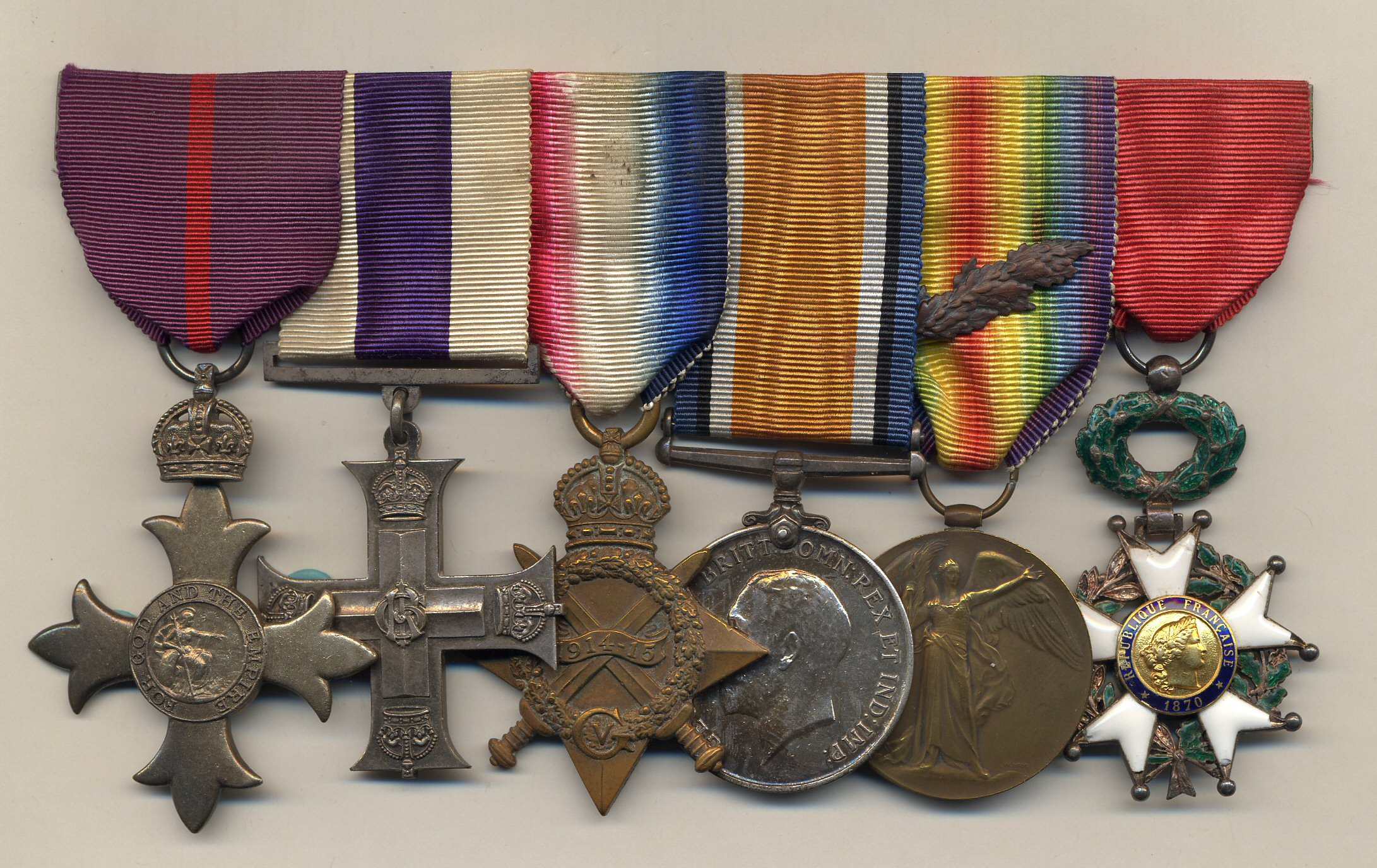
Figure 5. The Medals of Lieutenant Colonel Frank Bertram Legh, O.B.E., M.C., R.E.
5. POST WAR SERVICE
Frank Bertram Legh reverted to his substantive rank of Major in the Royal
Engineers on the 10th of February 1919.
On the 15th of February 1919 he received a Class An
appointment to the Board of Agriculture and Fisheries in the Ordnance Survey.[46]
He served on this Board in
The following is a summary of the organization and mission of the Board of Agriculture, later the Board of Agriculture and Fisheries, through the period in which Frank Bertram Legh served on the Board. The Board was responsible for agriculture and for a number of related areas (such as horticulture, fisheries, food and the environment). When first organized in 1889, the Board was known as the Board of Agriculture, a title that it retained until 1903 when it was renamed the Board of Agriculture and Fisheries under the Board of Agriculture and Fisheries Act of 1903. The year after Legh joined the Board it was again renamed the Ministry of Agriculture and Fisheries, a title it retained until 1955.[47]
In
1903 the Board took over responsibility for the Royal Botanic Gardens at
In
1924 Major Legh was posted to Bulford, on Salisbury Plain, and on the 4th
of May 1925 he was assigned to the Reserve of Officers.[48]
On the 31st of December 1925 he was promoted to the
substantive rank of Lieutenant Colonel and posted to
On
the 22nd of July 1928 Legh was again appointed Commander of Troops in
Legh
relinquished the post of Commander of Troops in
6. POST SERVICE LIFE
Frank Bertram Legh retired from the Army on the 30th of June 1930.[51] His total service is summarized in the tables below with approximate dates shown for each location.
Location |
Approximate
Period of Service |
|
|
18 August 1900 to March 1903 |
|
|
March 1903 to June 1903 |
|
|
June 1903 to January 1905 |
|
|
January 1905 to June 1907 |
|
|
June 1907 to January 1908 |
|
|
January 1908 to June 1912 |
|
|
June 1912 to November 1912 |
|
|
November 1912 to October 1914 |
|
|
October 1914 to December 1914 |
|
|
December 1914 to November 1918 |
|
|
November 1918 to December 1925 |
|
|
31 December 1925 to 31 December 1929 |
Location |
Approximate
Period of Service |
|
Home Service |
17 years and 220 days |
|
Service Abroad |
11 years and 280 days |
Total Service |
29 years and 135 days |
7.
PROMOTIONS
Frank Bertram Legh received the following promotions during his time in service:
Date of Promotion or Appointment |
|
|
18 August 1900 |
Commissioned a 2nd Lieutenant in the Royal Engineers |
|
18 August 1903 |
Promoted Lieutenant |
|
18 August 1910 |
Promoted Captain |
|
2 November 1916 |
Promoted Major |
|
14 July 1918 |
Appointed Acting Lieutenant Colonel |
|
10 February 1919 |
Reverted to substantive rank of Major |
|
31 December 1925 |
Promoted Lieutenant Colonel |
|
3 May 1927 |
Appointed Acting Colonel (local rank) |
|
22 July 1928 |
Appointed Acting Brigadier (local rank) |
|
31 December 1929 |
Reverted to substantive rank of Lieutenant Colonel |
The England and Wales Marriage Index Records from 1837 to 1983 show that
Frank Bertram Legh was married to Mabel Emily Goldney in Portsmouth, Hampshire
in the third quarter of 1904.[53]
Mabel was born at
By the time Frank and Mabel were married in 1904, Frank’s father was
Vicar of Bishops Caundle in
After their wedding, Frank and Mabel went to Killarney in

Figure 6. Back: Lt. Col. W.H.
Goldney and Lt. Col. F.B. Legh.
Front: Mrs. Goldney, Phyllis, Richard and Mabel Legh.
By 1912 Frank was posted to Ceylon and the whole family moved there,
together with one Annie Griffin, who was to become a faithful family retainer.
It was while he was in
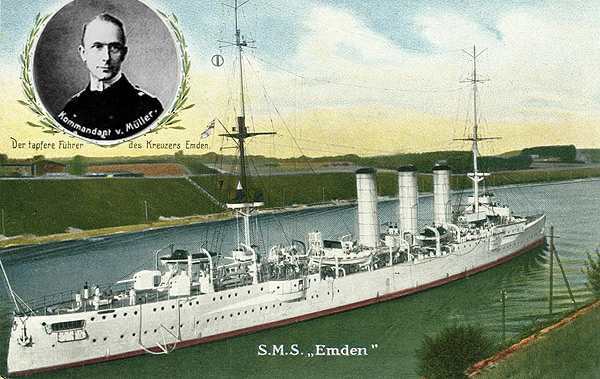
Figure 7. The German Cruiser S.M.S. Emden.
During the years of the Great War Mabel’s parents had settled into a
house in
The next five years were extremely stressful for Mabel, as she was an inveterate worrier, always worrying about her own and other people’s health, or what might happen to Frank or to one of the family. Mabel produced a still-born baby in 1916, conceived during one of Frank’s home leaves. The loss of this child caused Mabel’s gloom to only worsen.[62]
On returning from the war, Frank Legh and his family moved to
While in
During his posting to Bulford in 1924 the Legh family lived in a hutted
quarter, which had been the officers’ mess of some
Frank next was posted to Bermuda and they took Rosemary with them.
Special arrangements were made with friends in the
Frank and Mabel Legh found
In the summer of 1929 the Leghs returned to
Although
the Leghs were living in Aldershot at the time of Frank’s retirement from the
Army, Mabel thought that the climate in Devonshire would be a little pleasanter
than elsewhere in England. In the
summer of 1930 they took rooms in a farmhouse in Puddington, 14 miles northwest
of
After sending their daughter Rosemary off to her first boarding school,
Frank, Mabel and Richard spent the rest of the autumn of 1930 visiting various
friends and relatives, until they managed to a short lease of a bungalow called
“Dilwara” at Broadhembury over Christmas of 1930.
The lease ran out early in 1931 and they moved to rooms in the local inn
at Broadhembury.[69]
About that time Mabel had to go into hospital for a hysterectomy.
After her release from hospital they acquired a further 18-month lease of
“Dilwara” into which they settled during the summer of 1931.
The lease ended in the autumn of 1932, when they moved for the winter to
Grimaud in the south of
Frank had been thinking about finding a job all these months, and had the idea of trying to get one as Secretary of a County Territorial Association. To help with this, he prepared a very full curriculum vitae with details of his military service, ranks, stations and experiences, supported by letters of recommendation from six men of influence. It is not known if he got anywhere in his attempt to get a job as Territorial Secretary or whether he was ever offered such a job but had to turn it down because of Mabel’s insistence that they should retire to a warmer climate. However, events turned out well for them both, because Frank got the offer of a job as Resident Engineer of a Women’s Medical Missionary Hospital at Vellore, near Madras, in southern India, which he accepted, and they moved to India in autumn 1933 with Rosemary. On arrival at Vellore Frank found that his appointment was really as Bursar of the hospital, and not just as Resident Engineer.[71] Vellore is a city on the Palar River situated about 80 miles west southwest of Madras.[72] The Leghs were quite happy and content at Vellore and were largely untouched by the worries of the Second World War. In 1943 Lieutenant Colonel and Mrs. Legh’s residence was at College Hill, Vellore, North Arcot District in Southern India.
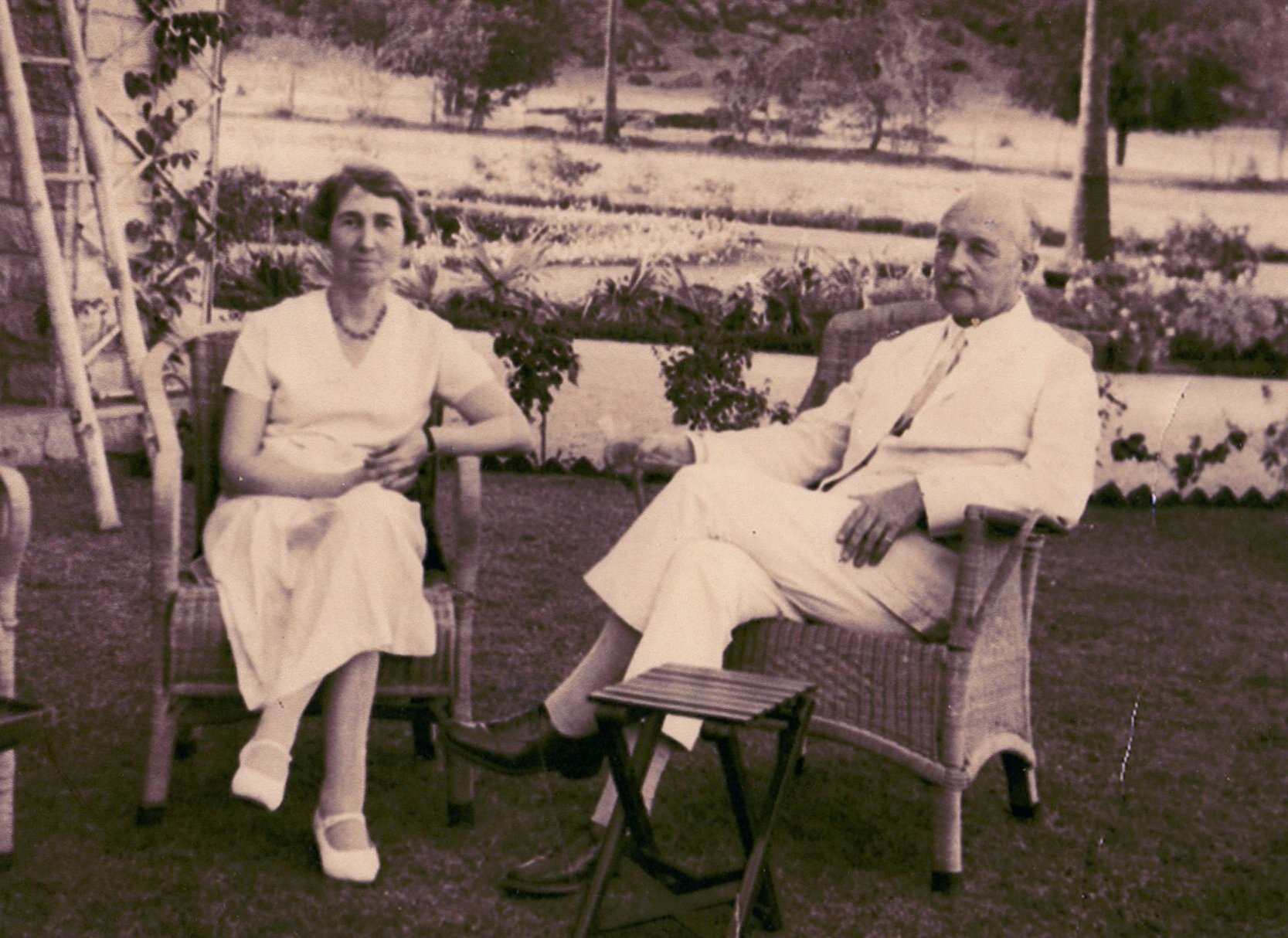
Figure 8. Mabel and Frank
Legh in India.
After
Frank and Mabel’s departure for India their children saw much less of them,
but it appeared to their son Richard that they were quite happy and contented at
Vellore. Richard saw them on three
occasions during their nine years there. The
first of these occasions was in 1937 when they returned to England on leave that
spring. That was the year when
Richard got married in January and he felt at the time that there was a slight
air of disapproval on the part of his parents that he and his wife had not put
off their wedding until the spring to allow Frank and Mabel to be present during
better weather. During that visit to
England both Frank and Mabel developed flu at the same time, and Richard’s
wife, Janet, was called forth to nurse them in their rented house at
Broadhembury. Frank and Mabel
returned to Vellore in the autumn, calling in on the way to see Rosemary at the
Finishing School in Switzerland which she had gone to earlier in the autumn.
The
second time that Richard met them during this phase of their lives was in autumn
1939, when they and Rosemary came over from Vellore to Colombo where Richard and
Janet’s first-born son, John, was being christened.
In January 1943, when Richard was on posting from North India to a
station in the South, he and Janet called in to stay with Frank and Mabel for a
short time at Vellore. During that
stay there was talk of Frank wanting to retire for the second time.
Shortly after that, he did so, and they moved to a house, Forestdale,
near Coonoor in the Nilgiris Hills. While
they were there they were very kind to Janet and looked after her before and
after the birth of her twins in June 1943. At
some time shortly after that, Frank and Mabel moved again to somewhere on the
west coast of India. Richard,
serving in the Army, was in Burma at that time and lost touch with his parents.
Frank
and Mabel returned to England early in 1946.
Their next contact with their son Richard was later in that year when
Frank had a job as Treasurer of a Seaman’s Home at Southsea, and they lived in
a ground floor flat in the town. Richard
and Janet then were living at Bognor – only about 20 to 25 miles from
Southsea, so they and their children saw Frank and Mabel often.
But
Frank and Mabel were still rather restless, and in September 1947 they sailed
for a visit to Bermuda. This was
presumably in order to miss the English winter weather, and to check whether
Bermuda still lived up to their memories of it.
They returned briefly from Bermuda in 1948, and then went back to settle
there permanently.
They
acquired a small house quite close to the harbour and called it “High Legh”
after the ancestral home of the Leghs in Cheshire.
From their letters, they seemed to be living a quiet, contented life.
They were delighted to be back on the Island which they loved.
They managed to return to England about every 3 to 4 years and they
always went to stay with Richard and Janet for some of that time.
Frank was rather deaf in those days, and was always being chivvied about
his hearing aid batteries.
Their
last visit was in 1962. In 1964
Frank had a prostate operation and Rosemary went out to Bermuda to support Mabel.
Finally, Frank died suddenly on the 2nd of January 1966, after
only 24 hours in hospital, aged 85.
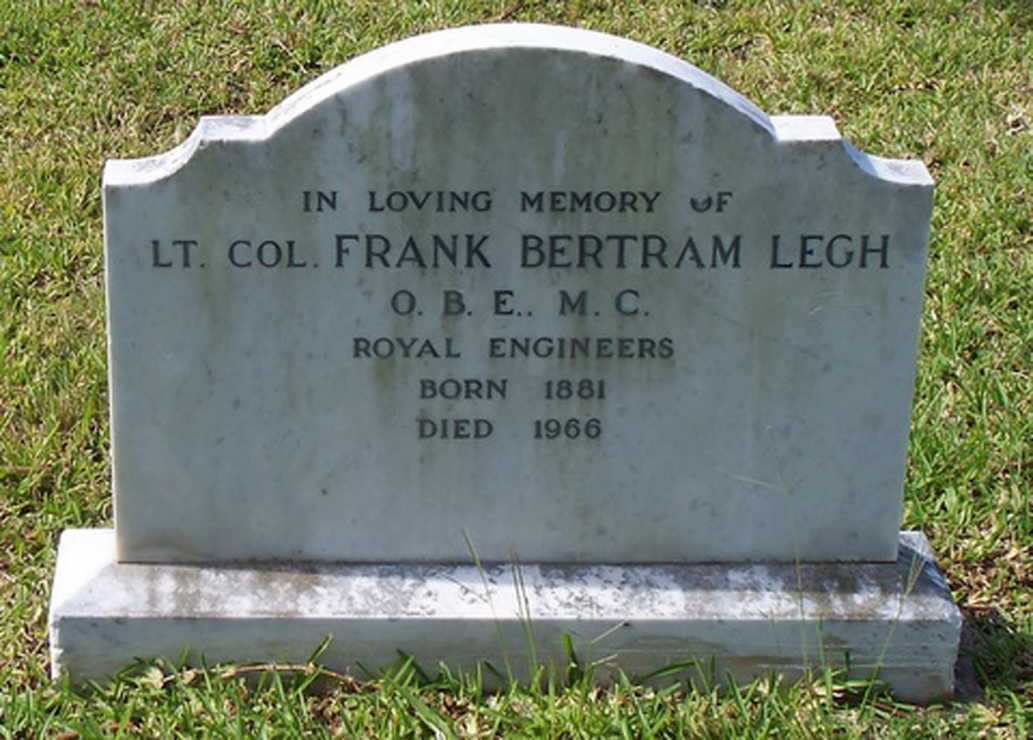
Figure 9.
The Gravestone of Lt. Col. Frank Bertram Legh, O.B.E., M.C., R.E.
This
was naturally a terrible blow to Mabel. They
had always been devoted to each other and, during all their 61 years of married
life had been separated only during the Great War.
Phyllis, who had just retired from teaching about then, went out to
support Mabel, and eventually she returned to England to live in Phyllis’
house in Tunbridge Wells. Mabel stayed
there for perhaps a couple of years and then had to be moved into a Nursing Home
just round the corner from Phyllis’ and Rosemary’s houses.
After a year or so there, she had to be moved again to Ticehurst House
Private Clinic at Ticehurst, Wadhurst, Sussex, as she was deteriorating
mentally. Towards the end she did
not even recognise her children.
Mabel
Legh died at Ticehurst on Christmas Day 1972, aged 72, by that time, a happy
release from her illness.[73]
Phyllis
Legh went on to be the headmistress of a school in Ghana.
She had never married and retired to Tunbridge Wells.
She died in 1993 at Tunbridge Wells.
Richard
(Dick) Legh had been commissioned in the Royal Artillery in 1932 and served
until 1962. He had a large family
and owned a farm in Ashbourne, Kent after leaving the Army.
He died in Reading and Wokingham District, Berkshire in December 1996.
Rosemary had married Walter George Coltham (1918-1971) and lived in Tunbridge Wells and London. She died in October 1996 in Peterborough, Cambridgeshire.
THE LEGH FAMILY[1]
The Leghs were an important,
wealthy and powerful family in
There are two other branches of
the Legh family, the Leghs of Adlington and the Leghs of Lyme.
Both of these places are in
The Legh family of Norbury
Booths Hall is included in Burkes “Dictionary of the Landed Gentry of Great
Britain and
ADDENDUM NO. 2
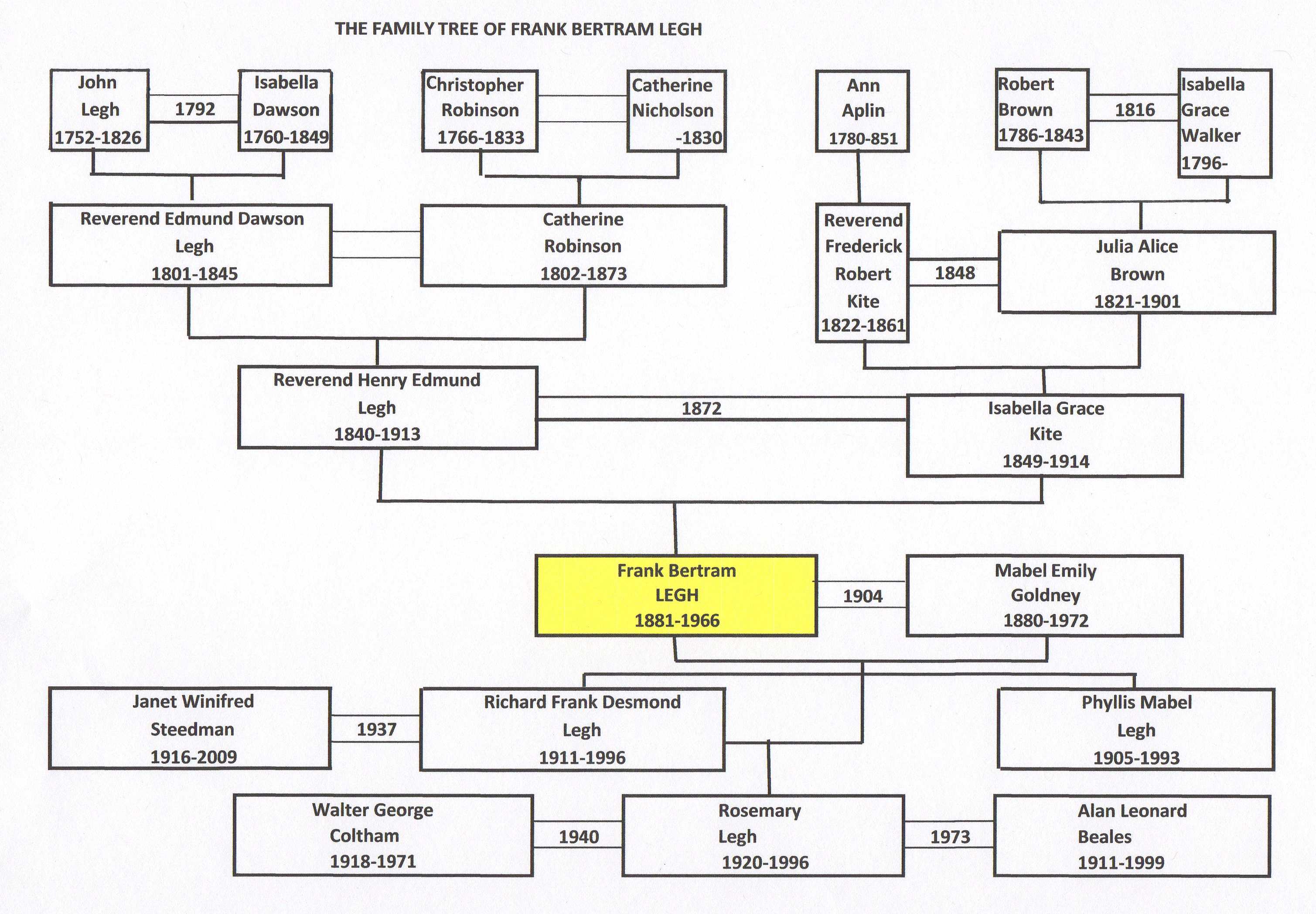
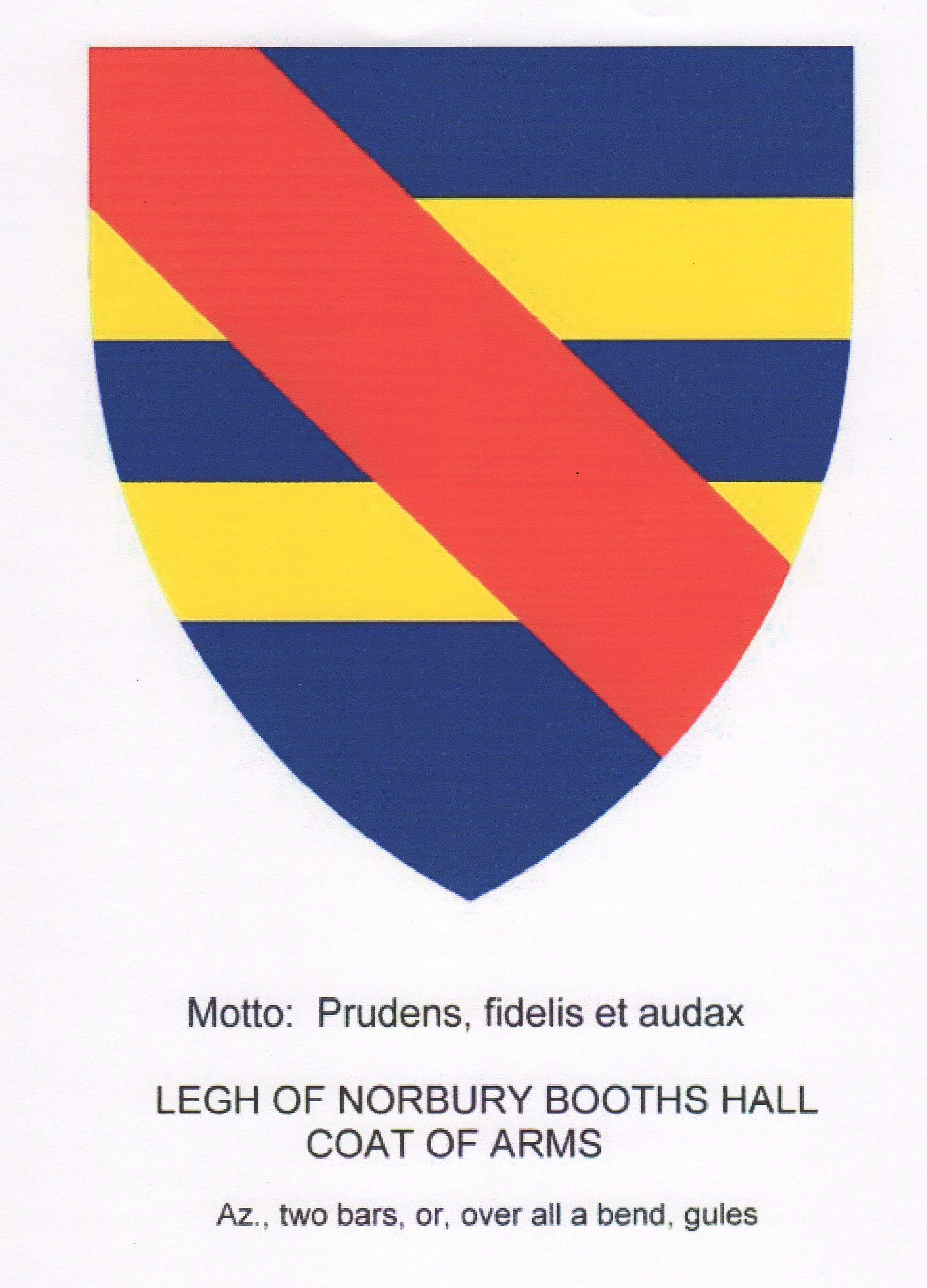
ADDENDUM 2 NOTES
[1]
This information was provided by David Legh Craig of
[2] See the photograph of Norbury Booths Hall at the end of this narrative.
[3] See the Burke’s entries at the end of this narrative.
[4]
This is the branch of the family of which David Legh Craig belongs.
ADDENDUM NO. 3
The information
in this Addendum was compiled by Frank Legh’s son, Richard Frank Desmond Legh.
It provides the lineage of the Legh family as compiled by Frank Legh.
It is presented here as it was written by Richard in his own words.
Some Historical Notes about the Legh Family
by
Richard Frank Desmond Legh
1977
I have in my possession various papers concerning the Legh Family, handed down to me by my father. These include a large Family Tree, dated 1809, showing all the ramifications of the various branches of the family, and some notes written, I believe, by my grandmother, Isabella, wife of Henry Edmund Legh round about 1890. These have enabled me to trace my ancestry through 24 generations to the end of the 11th century.
My particular branch of the family has descended from a younger son of the Leghs of Booths, near Knutsford, who was born about 1801. The Leghs of Booths themselves descended from a younger son of the Leghs of High Legh, also in Cheshire, about 1300 A.D.
The earliest recorded name in my ancestry is one –
EDWARD DE LEGA
He was alive during the latter half of the 11th century, and was appointed, by deed, Lord of High Legh. There is some doubt whether his ancestors were Saxon or Norman, but it seems to be most likely that the originator of the Leghs was in the retinue of the Duke of Normandy.
By about 1154, High Legh had passed to Edward’s son -
HUGO (or HAMON) DE LEGA,
who had two sons, and apparently divided High Legh estates between them. To Thomas was given that part of the estate which was from then called East Hall, and to William came West Hall. And so developed the two main branches of the Legh family.
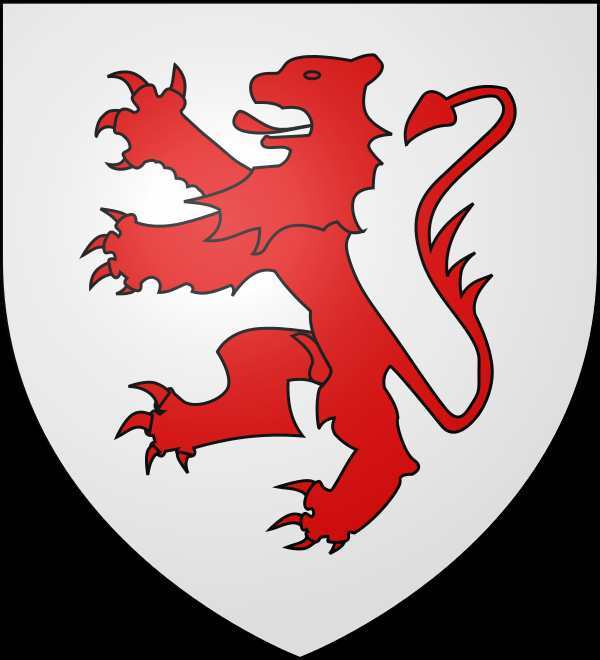
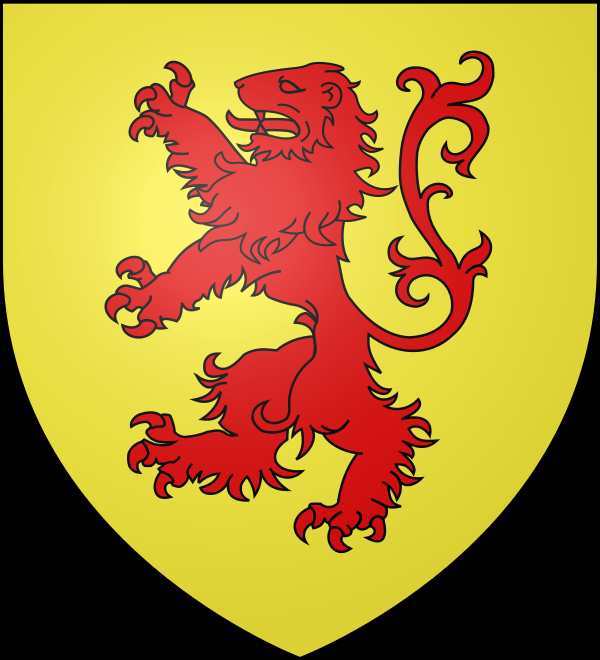
Left: Legh of East Hall Coat of Arms.
Right: Legh of West Hall Coat of Arms.[5]
(Source: Wikipedia – High Legh web site)
My progenitor was –
WILLIAM
DE LEGA
of West Hall, High Legh, who married the daughter and heiress of Swineyard. Nothing much seems to be known about their son-
RICHARD DE LEGA
except that he married Margery, daughter of John Oughtrington, or of their son, another -
RICHARD DE LEGA
both Richards appear to have been living in the 13th century. The second of the Richards had only one child, a daughter named –
AGNES DE LEGA
who married three times. Her first marriage was to Richard de Lymme, and their son Thomas took the name of Legh, and inherited his mother’s estates of West Hall, High Legh. Her second marriage was to William de Hawarden; and her third marriage, from which my branch of the family descended was to Sir William de Venables, who was living in 1300.
Sir William was a descendant of Gilbert Venables, Baron of Kinderton, who held the town of High Legh in the reign of William the Conqueror, under Hugh Lupus, Earl of Chester. The son of this third marriage, who also took the name of Legh, was –
JOHN LEGH
He purchased the Manor of Booths, near Knutsford, in 1300 and became the first Legh of Booths. He married Ellena, daughter of Thomas de Corona of Aldington, who was reputed to have bought in 1336, after her husband’s death, a weekly market and annual fair to be held at Knutsford.
John and Ellena had five sons who became, during the first part of the 14th century, the ancestors of the Leghs of Booths, the Leghs of Adlington, the Leghs of Isall, the Leghs of Beckton, and the Leghs of Townley.
My ancestor of the Booths line was –
JOHN LEGH
He married Maud, daughter of Sir John Ardstone of Alford, and by her had two sons, John and James. John and his wife only produced a daughter, so the Booths estate reverted to his younger brother –
JAMES LEGH
of whom little is known – not even the name of his wife. However, it is known that his son –
JOHN LEGH
was Sheriff of the County of Chester from 1416 – 1422, and by 1429 had a son and heir –
JOHN LEGH
This John, who at some time was knighted, was a staunch Lancastrian who fell fighting under the Red Rose at Blare Heath in 1459. He was one of the Cheshire partisans of Queen Margaret. His son and heir was John, who died in 1470, who also had a son called John who died in 1484 without male issue. So the estate of Booths reverted to this John’s uncle, who was my ancestor –
PHILIP LEGH
He married Elizabeth, daughter of Sir Andrew Brereton, and his son and heir became –
SIR JOHN LEGH
who was knighted at Leith in 1544 with several other Cheshire Gentlemen by General the Earl of Hertford. He married Jane, daughter of Richard Sneyd of Stafford and died in 1558. Their son –
JOHN LEGH
married Jane, daughter of Sir William Brereton, and died in 1617, leaving a family of nine children. The eldest of these was –
WILLIAM LEGH
who married Dorothy, daughter of Geoffrey Shakerley. Their son –
JOHN LEGH
was born in 1601 and married three times. He had a total of 21 children by these three wives, but then he died whilst he was serving as High Sheriff of the County of Cheshire in 1660. There were only five daughters and two sons still living. The eldest son, who inherited the estate was –
PETER LEGH
He was born in 1657 and married Ruth, daughter of Robert Barcroft. They had one son who died without issue, so the male line became extinct, but continued through their daughter –
RUTH LEGH
She married Thomas Pennington, a captain in the Army, and a representative of the younger branch of the Penningtons of Muncaster in the County of Cumberland. She died in 1715, and was buried in St. Johns, Chester. Her eldest son –
THOMAS PENNINGTON LEGH
assumed the name and arms of Legh of Booths. He married Helena, daughter of Sir Willoughby Ashton, Bart. And had only one child –
PETER LEGH
Who was born in 1722. His portrait is now (1977) in the possession of Rosemary Beales (nee Legh). He married Ann, daughter of Peter Wade Esq. of Wallescote in 1744 and in 1745 completed the new mansion of Norbury Booths.
It is reported that : - “Norbury Booths Hall, situated about a mile S.E. of Nether Knutsford, is placed more than 300 yds from the site of the ancient Hall, which was low and moated round (the moat still remains) and which was an irregular, quadrangular building of timber. The present house is built of brick, and is a handsome and spacious mansion (much enlarged in 1845). The Drawing Room 35 by 24 feet and 18 feet high, with the Dining Room and Music Room floored with mahogany. The park in which it stands is ornamented with some fine pieces of water; the Lake behind the House is the largest; the Water in a wood called Spring Wood, though smaller is more peculiarly beautiful, and is also behind the House. There are several extensive views from different points; and the prospects from a gravel and grass terrace, 500 yards long, combine many varieties of scenery and hills in Lancashire, Derbyshire and Cheshire.” The Hall was sold out of the Legh family early this century, and in the 1960s was finally pulled down.
NOTE: The photograph of Norbury Booths Hall and the map of Knutsford below showing the location of Norbury Booths Hall have been added by the author.
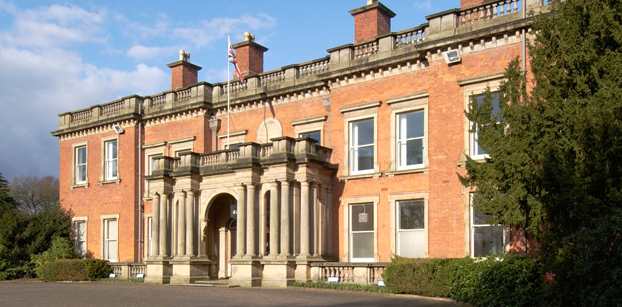
Norbury Booths Hall, Knutsford, Cheshire.
Ancestral Home of the Legh Family.
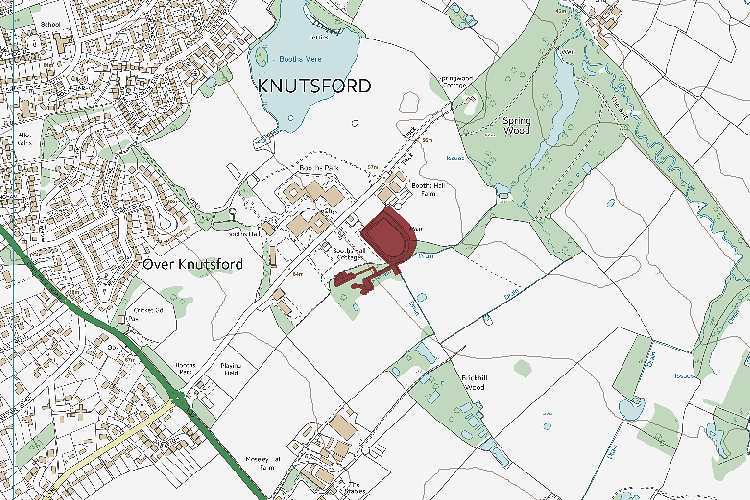
Map of Knutsford, Cheshire Showing the Location of Norbury Booths Hall.
Peter Legh and Ann had for sons. The first two died before their father, and the third, Willoughby, was unmarried. He succeeded to the Booths estate on the death of his father, Peter, in 1804 but on his own death in 1823, Booths reverted to his younger brother –
JOHN LEGH
He was born in 1752, and became a Barrister at Law. In 1792 he married Isabel, daughter of Edmund Dawson, Esq. at St. Dunstans, Fleet Street, London. He died in 1826, being buried at Knutsford, and the estate passed to his eldest son, Peter, who never married. Portraits of this Peter and his sister Isabel are also now (1977) in the possession of Rosemary Beales (nee Legh). John’s third son was my great grandfather –
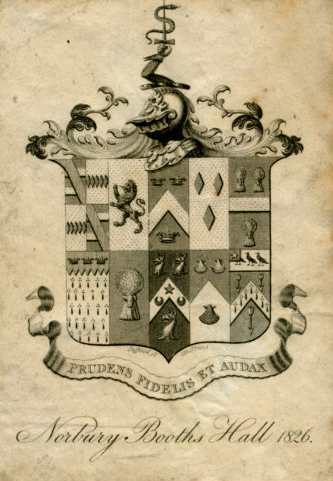
A Bookplate from Norbury Booths Hall dated 1826.
EDMUND DAWSON LEGH
who was born in 1801. He went into the Church, and became incumbent of St. Botolphs, Aldersgate. He married Catherine, daughter of Sir Christopher Robinson, and they had eight children. He died in 1845. She died in 1873. Their eldest son John Pennington Legh succeeded to the Booths estate on the death of his uncle, Peter, and the members of the senior line now-a-days often call themselves Pennington-Legh.
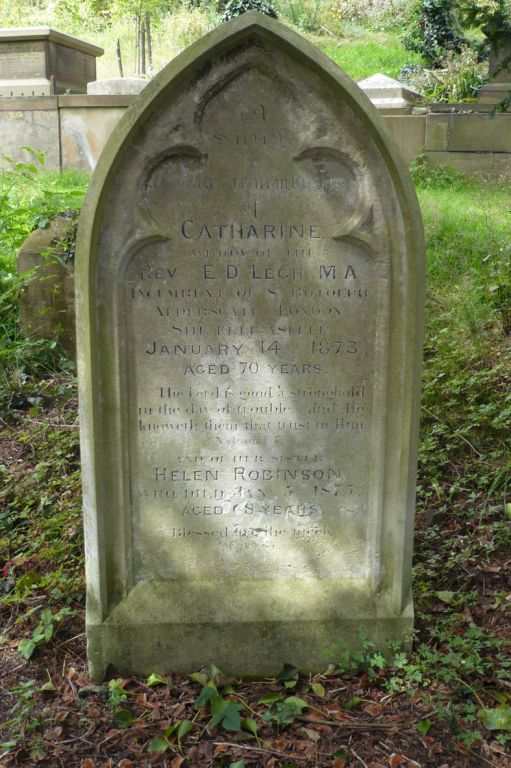
The Gravestone of Catherine Legh, Woodbury Park Cemetery, Tunbridge
Wells.
My grandfather, the sixth child of Edmund and Catherine, was –
HENRY EDMUND LEGH
who was born in 1840. Like his father, he went into the Church, and had livings at Colchester and Bishops Caundle in Dorset. He married Isabella Grace, daughter of Rev. F. Kite, and died at Bishops Caundle in 1913. He had seven children, but, of these, my father, who was the fifth child, was the only one to have male issue – myself. My father was –
FRANK BERTRAM LEGH
who was born in 1881. He was commissioned into the Royal Engineers in 1900, and in 1904 married my mother, Mabel Emily, daughter of Colonel William Henry Goldney – also a Royal Engineers officer. He served with distinction during the 1914-18 war, being awarded the Military Medal and the French Legion of Honour. In 1926-29, he served in Bermuda, being acting Governor of Bermuda for part of the time. After retiring from the Army in 1930, he went to India, where for some 10 years he was Bursar of a Woman’s Medical Missionary Hospital in Vellore. He died in 1966, and my mother in 1972. They had three children – my two sisters, Phyllis, born in 1905 and unmarried, and Rosemary, born in 1920 and married in 1940 to Walter George Coltham, and after his death in 1971 to Alan Beales; and myself –
RICHARD FRANK DESMOND LEGH
I was born in 1911. In 1932 I was commissioned into the Royal Artillery, and served therein until 1962. In 1937, I married Janet Winifred Steedman, and we have four children. Susan and Alexander (twins) were born in 1943; Susan married Alan Caswell in 1970, and Alexander married Tina Johnson in 1972. Alison was born in 1947, and married Tony Evans in 1970. Our eldest son, through whom the line now continues, is –
JOHN RICHARD HALDANE LEGH
He was born in 1939, and is a solicitor. In 1971, he married Rosemary Day. They have two sons; the younger is Christopher Richard Legh, born in 1977; and the elder is –
HUGH DONALD LEGH
who was born in 1974.
ADDENDUM NO. 4
Photographs of the Legh Family
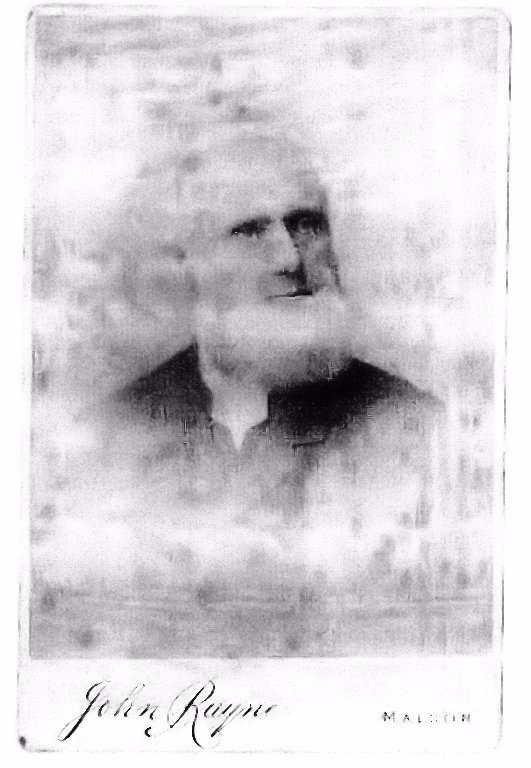
The Reverend Henry Edmund Legh, circa 1890, the Father of Frank Bertram
Legh.
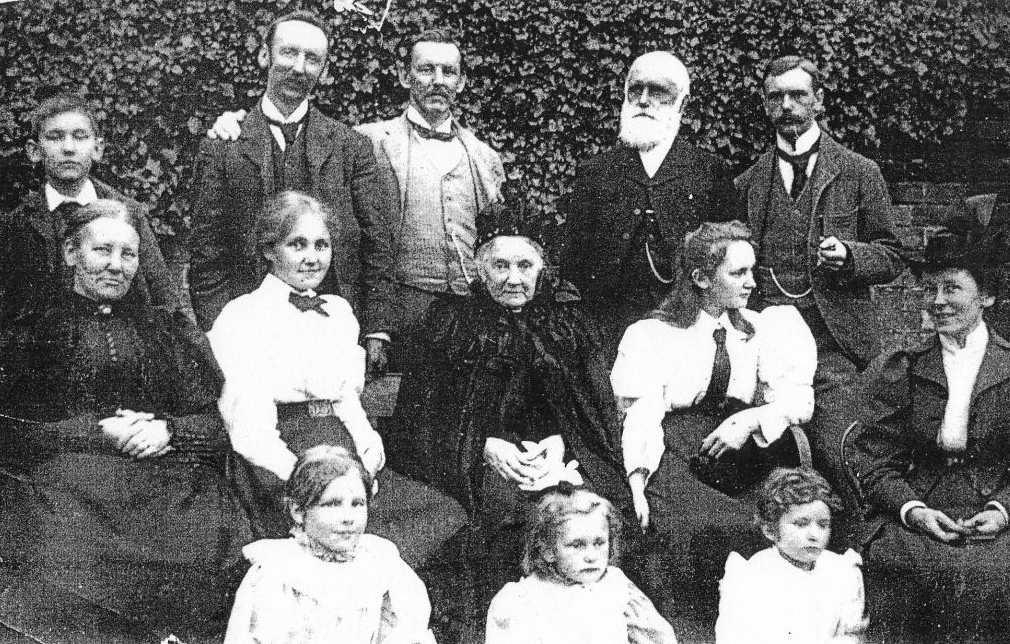
The Legh Family, circa 1910). Back
row, left to right: Frank Bertram Legh, Edmund Willoughby Legh, Henry Edmund
Legh and Arthur Herbert Legh)
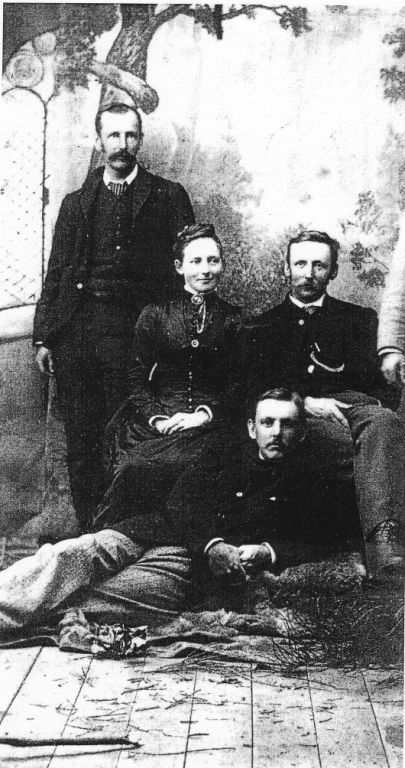
The Legh Brothers, circa 1910.
Standing: Frank Bertram Legh. Sitting:
Edmund Willoughby Legh. Reclining:
Arthur Herbert Legh.
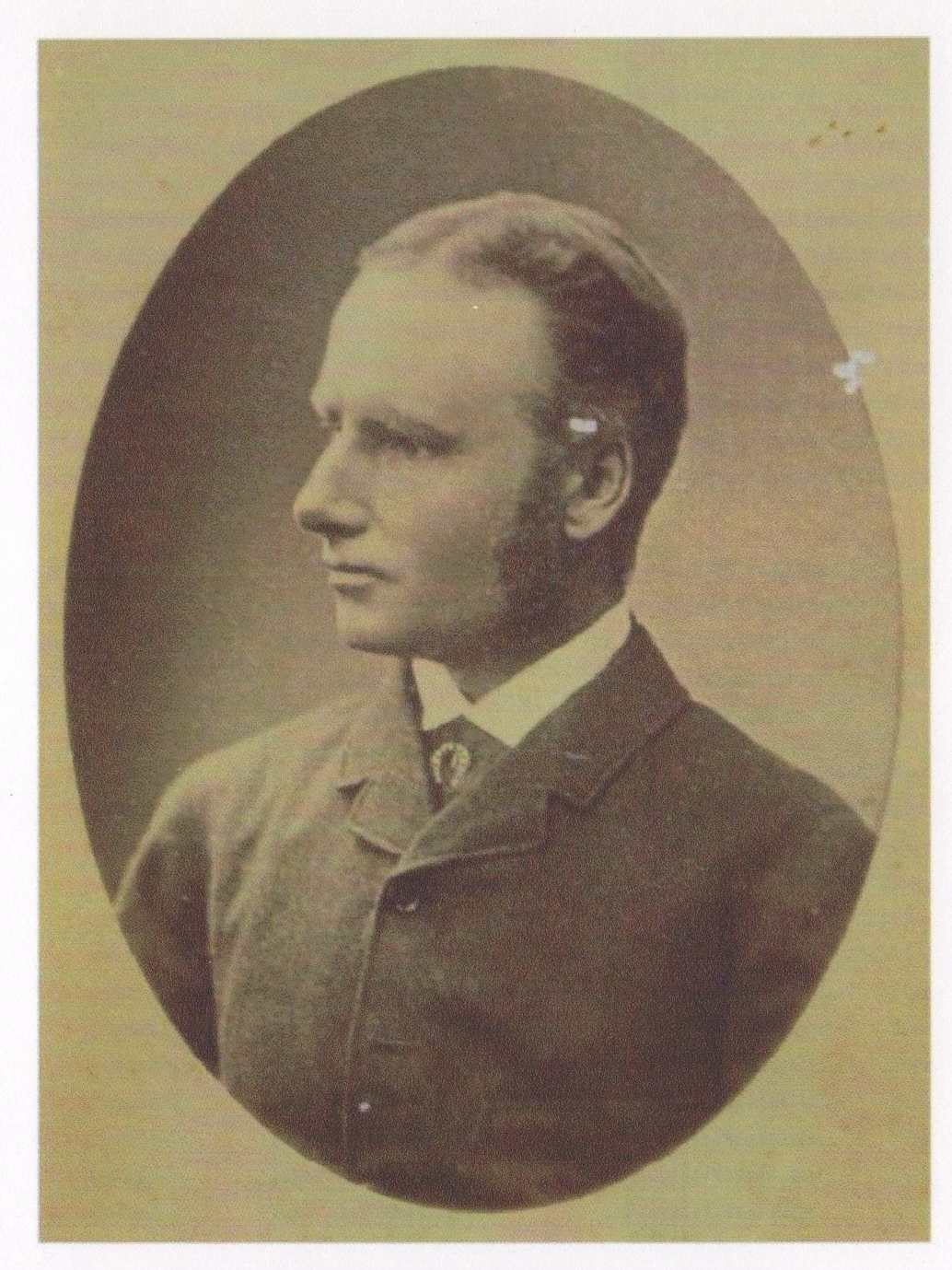
Christopher Dawson Legh, 1838-1892.
Two of Christopher Dawson Legh’s children, Gilbert Legh and William
Montague (“Monte” Legh went to the Boer War in South Africa in 1900.
Gilbert Legh stayed in South Africa and married and had a family there.
Monte Legh was Mayor of Glen Innes, New South Wales, in 1917-1918.
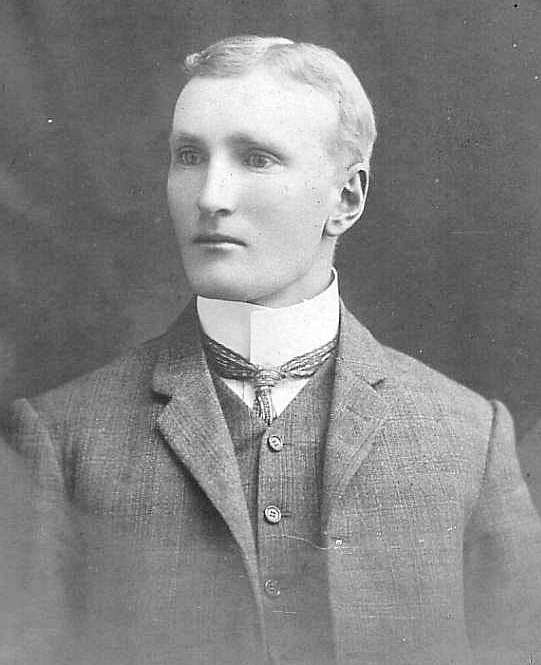
John Legh, grandfather of David Legh Craig, and first cousin of Frank
Bertram Legh. John Legh was the only
child of Christopher Dawson Legh’s third marriage, his first two wives having
died in childbirth.
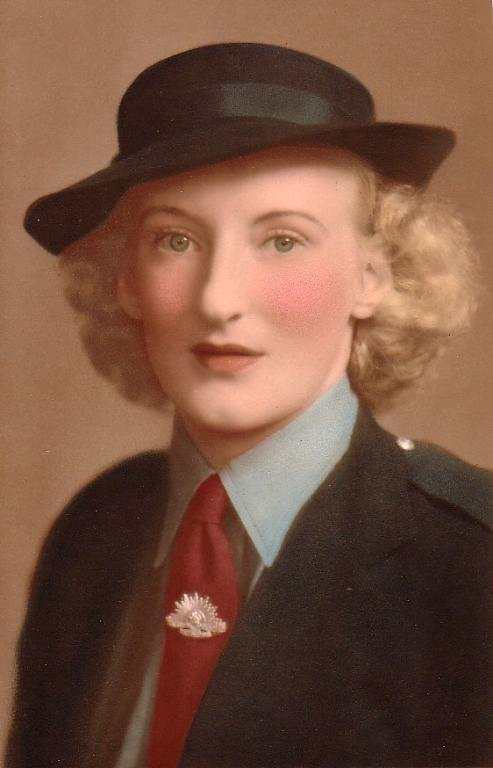
Joan Mary Legh, mother of David Legh Craig, in her Australian World War
2 uniform. Joan was a
psychotherapist and served in the Middle East during the war.
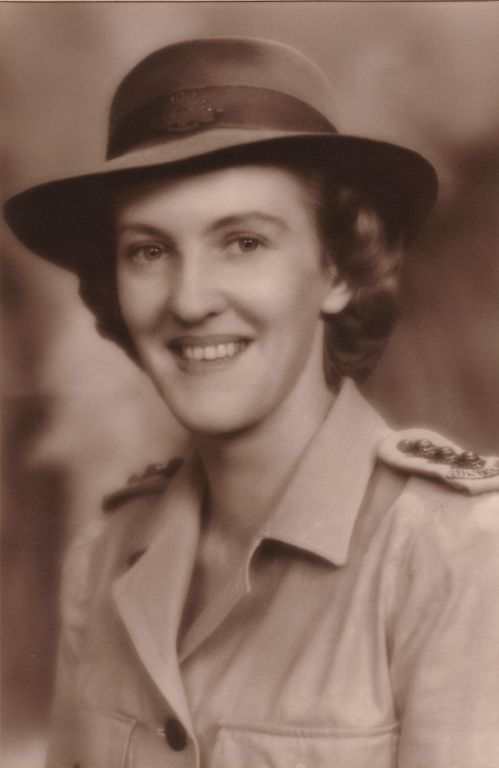
Katherine Agnes Legh, aunt of David Legh Craig, in her Australian World War 2 uniform. She was an occupational therapist (later a social worker) but did not serve outside of Australia during the war.
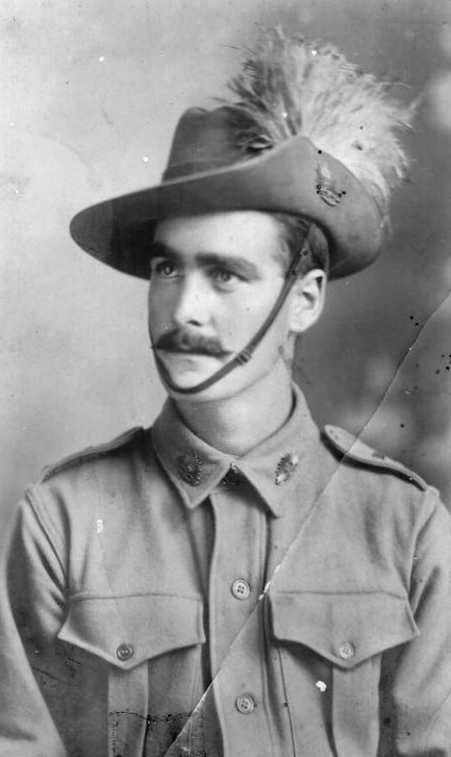
Thomas Legh (1890-1963), grandson of John Pennington Legh, the eldest
brother of the Reverend Henry Edmund Legh. Thomas
Legh served in the Australian Imperial Forces during the Great War.
Two of Thomas Legh’s sons, Alan William Pennington Legh and John Robert
Pennington Legh, were Wing Commanders in the Royal Air Force during World War 2.
Alan was missing in action and presumed killed.
John was awarded the Distinguished Flying Cross and bar.
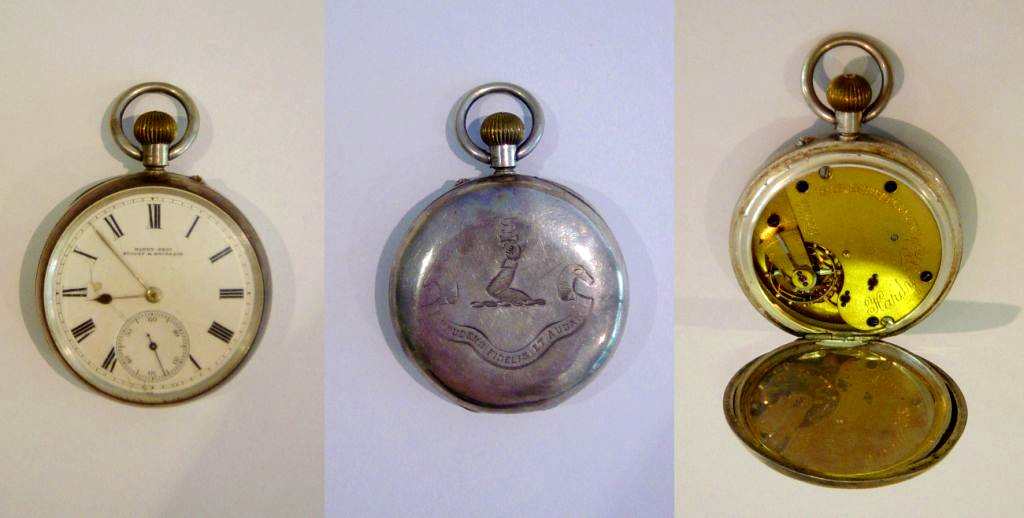
A pocket watch belonging to John Legh, the grandfather of David Legh
Craig, showing the Legh of Norbury Booths Hall “sword and serpent” crest.
There is a pub in Knutsford Cheshire, near Norbury Booths Hall called the
“Legh Arms.”
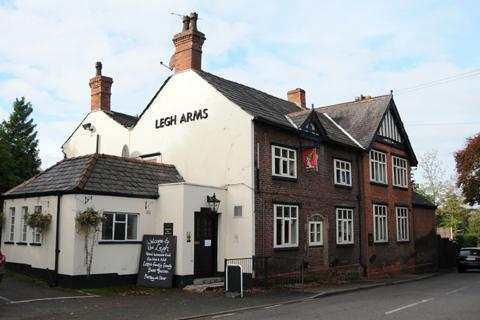
The
LEGH ARMS pub in Knutsford, Cheshire.
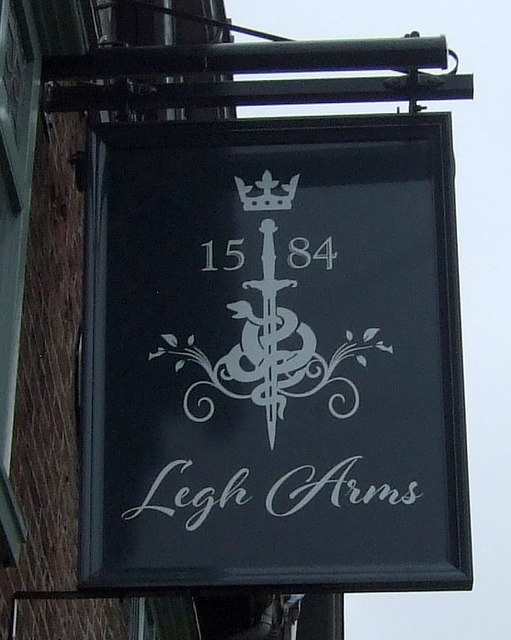
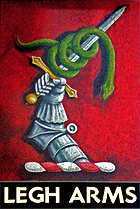
The LEGH ARMS pub sign and the LEGH ARMS sword and serpent.
ADDENDUM NO. 5
The Great War Medal Cards of Frank Bertram Legh.
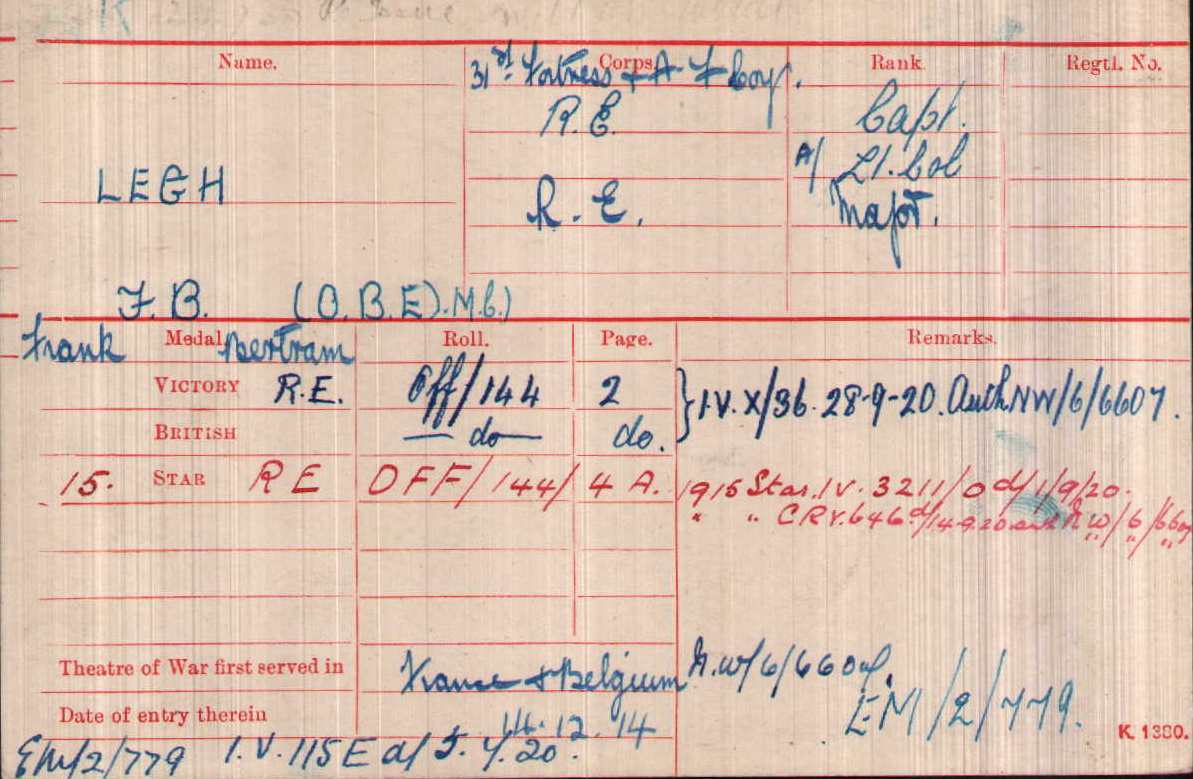
Medal Index Card, front side.
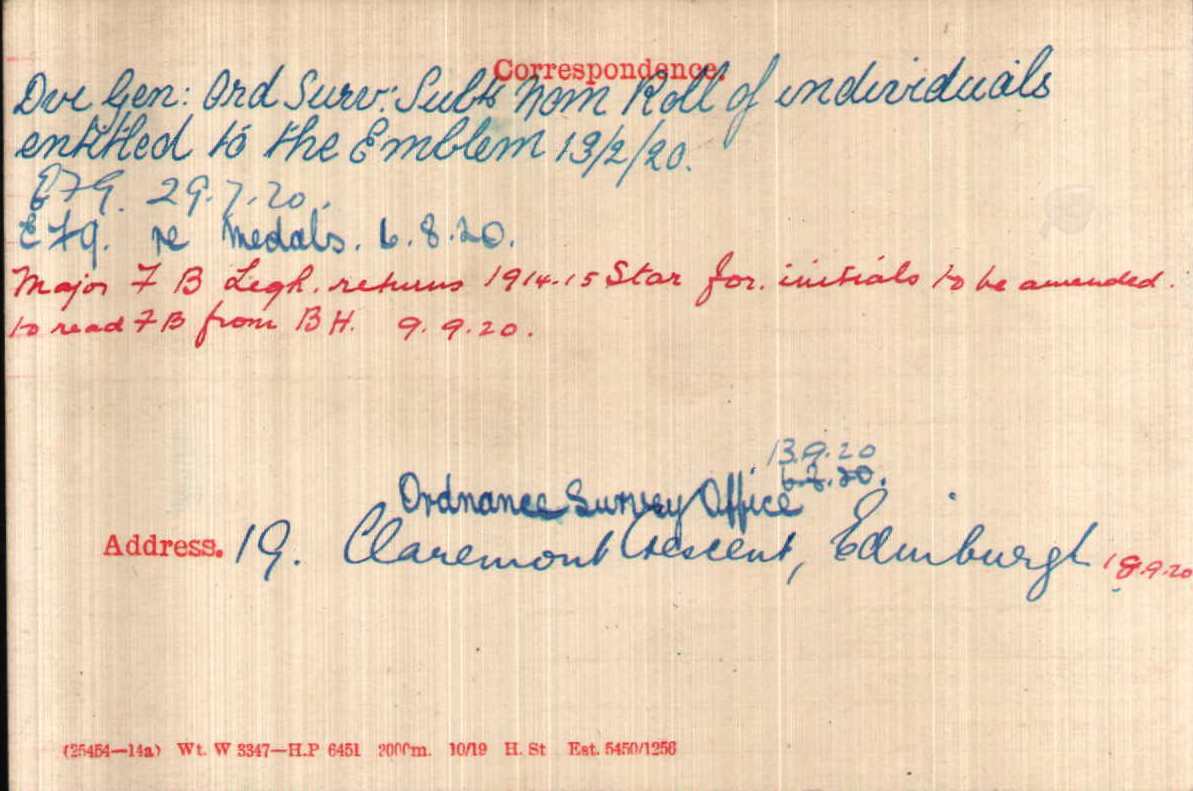
Medal Index Card, back side.
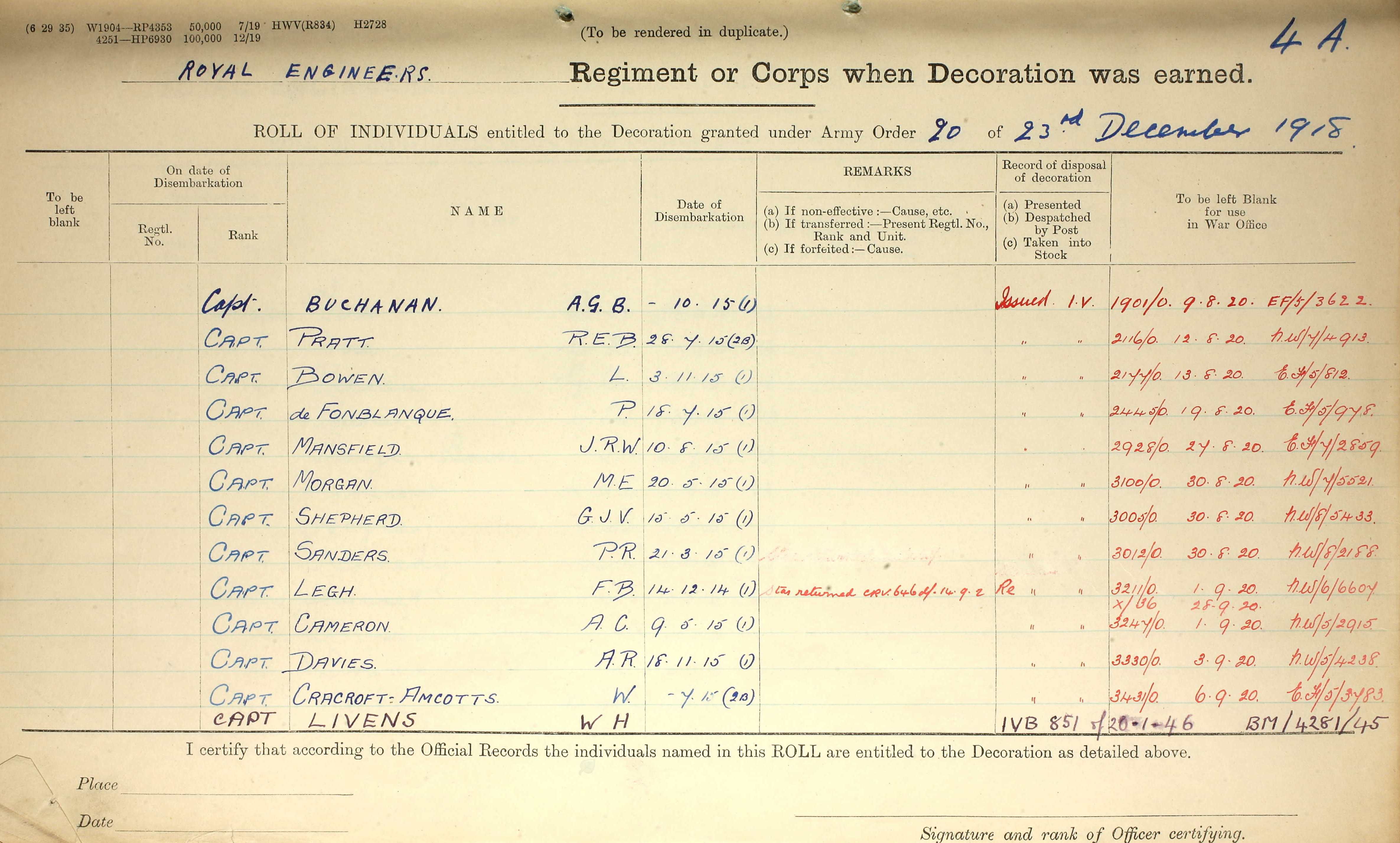
1914-15 Star Medal Roll.
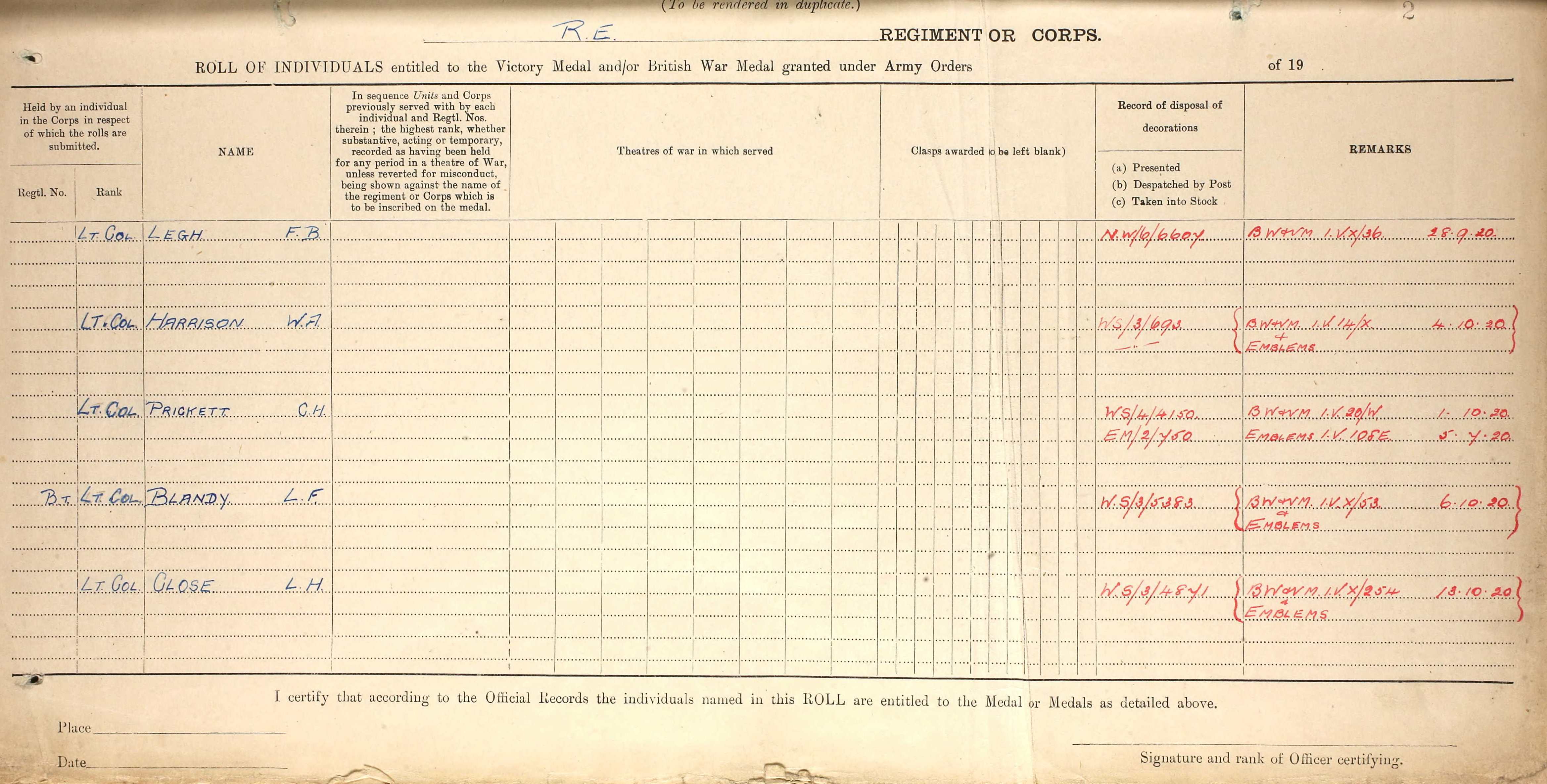
British War Medal and Victory Medal Roll.
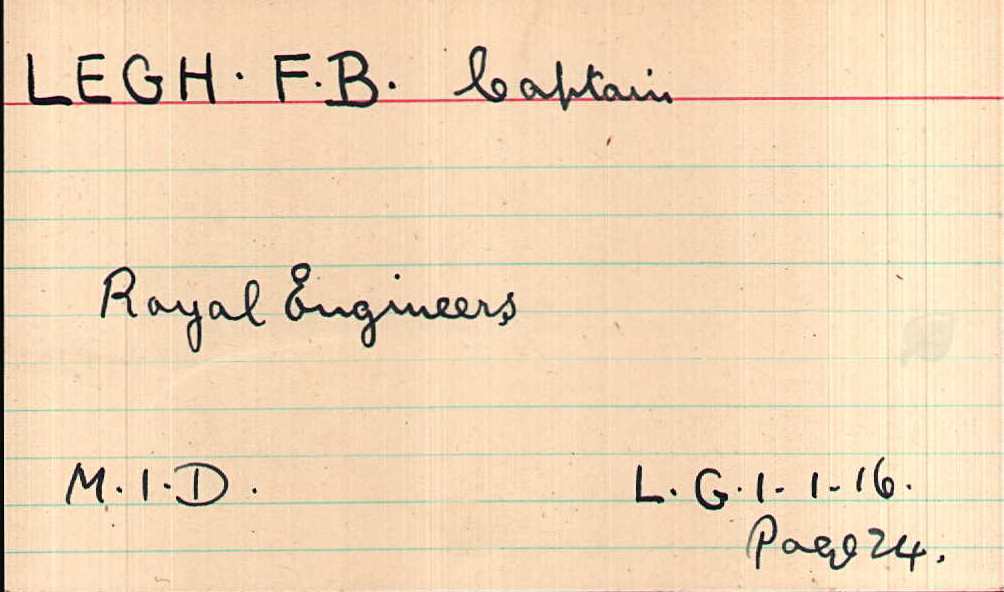
Mention in Despatches Card, London Gazette, 1 January 1916.
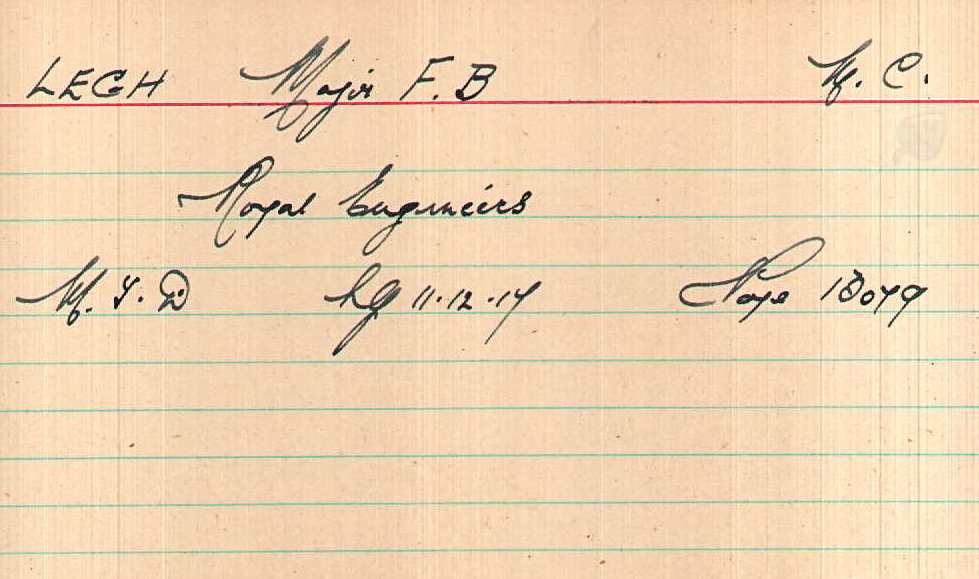
Mention in Despatches Card, London Gazette, 11 December 1917.
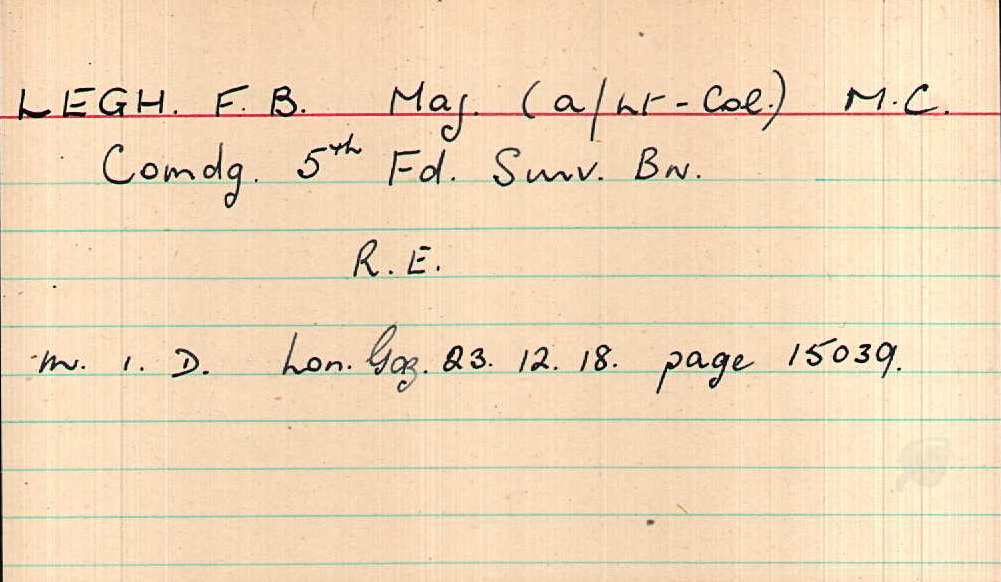
Mention in Despatches Card, London Gazette, 23 December 1918.
ADDENDUM NO. 6
Casualties of the 5th Field Survey Company and 5th
Field Survey Battalion during the Great War of 1914-1918
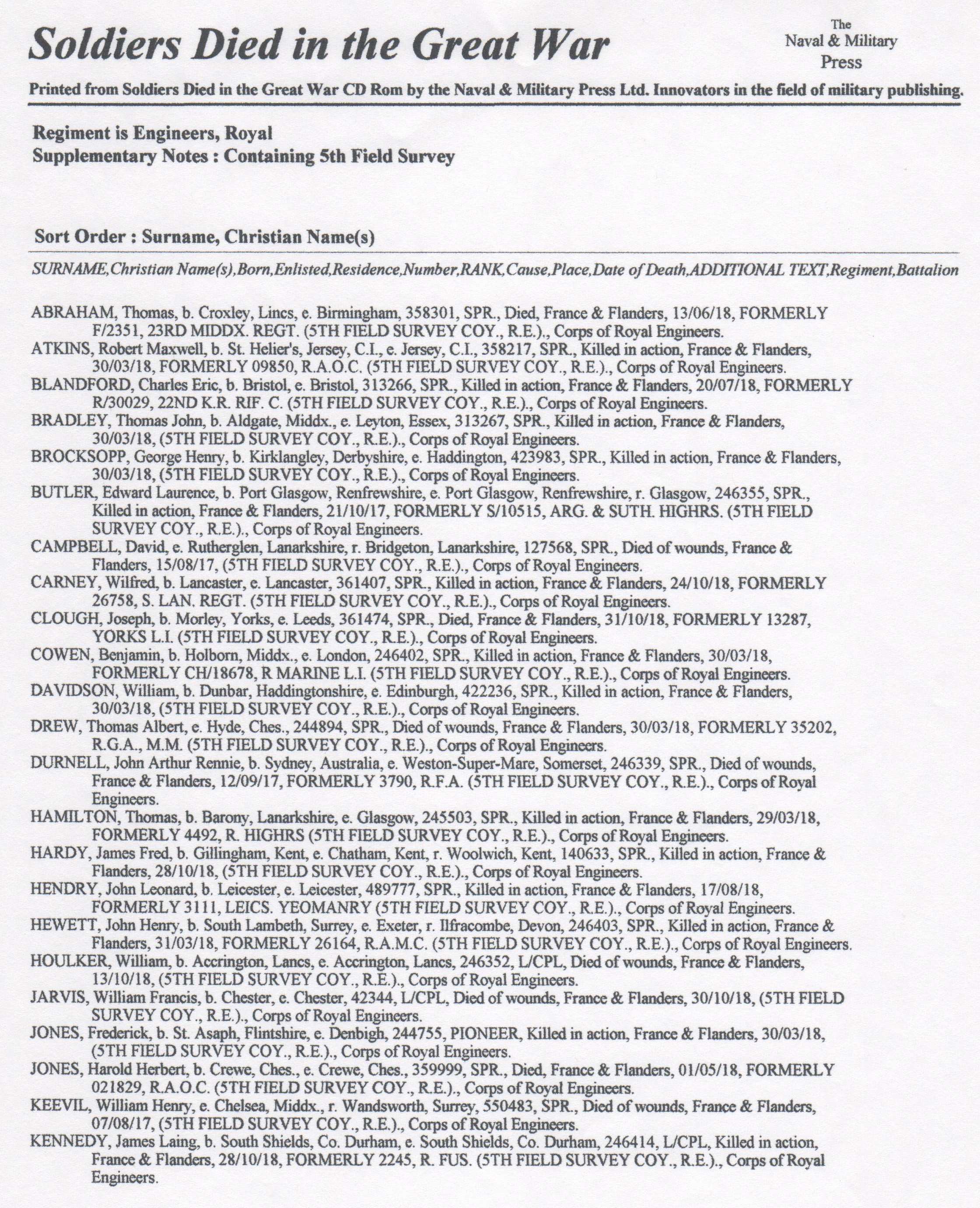
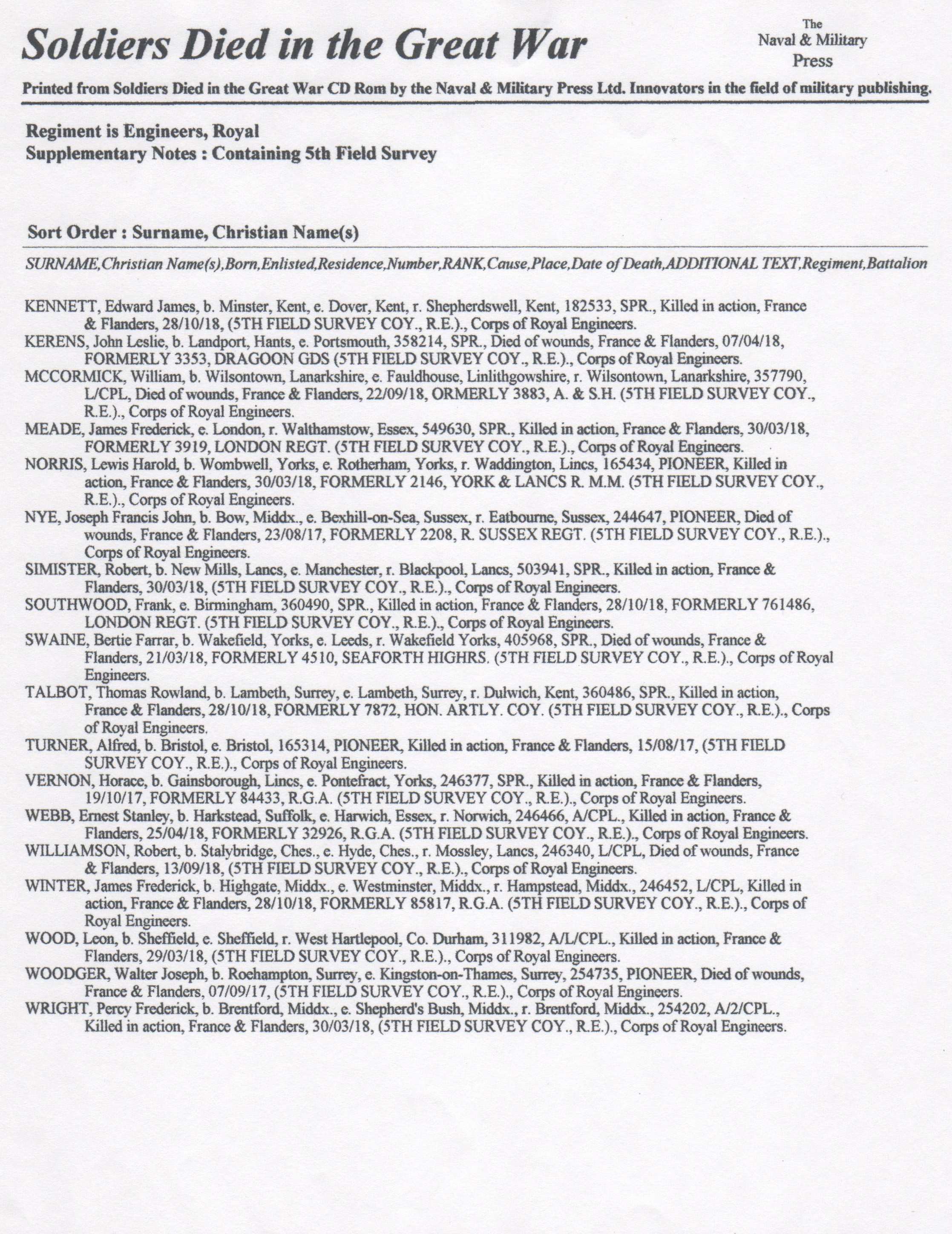
ADDENDUM NO. 7
The Post Great War Travels of Frank and Mabel Legh.
The following
information was obtained from ship manifests found on Ancestry.com.
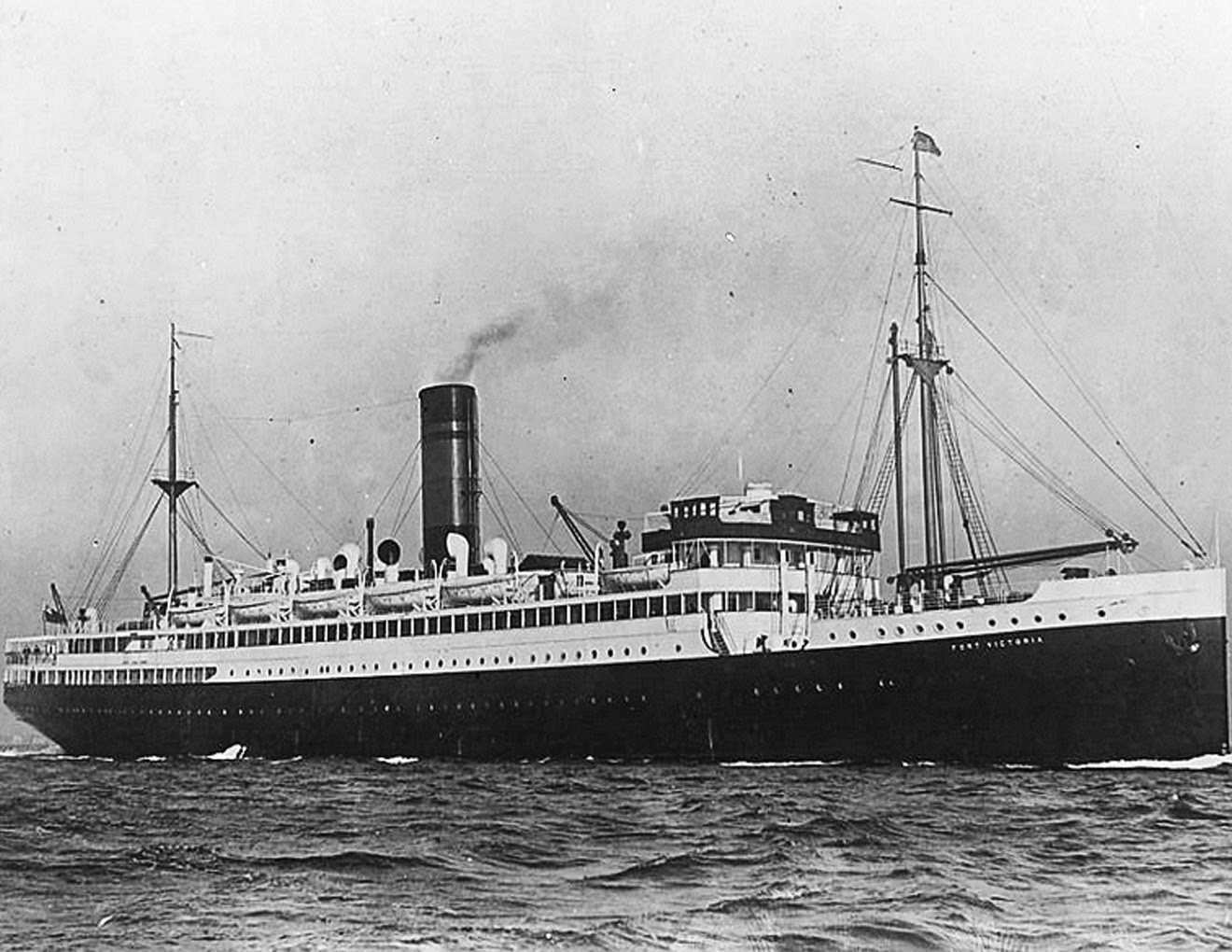
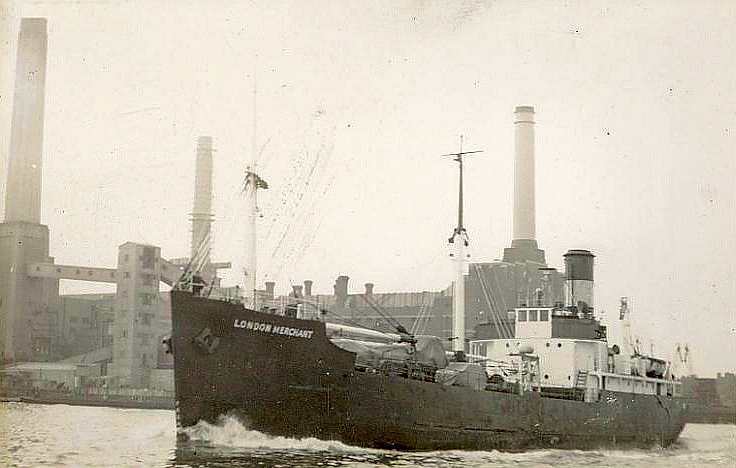
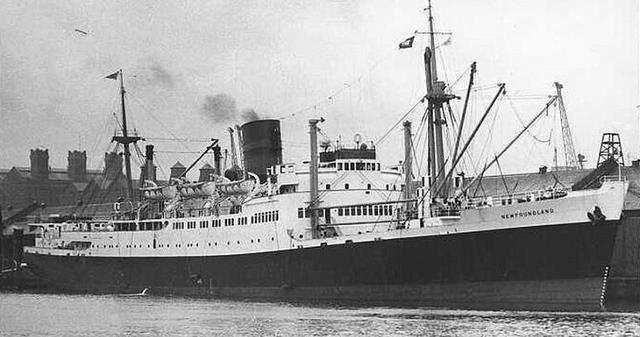
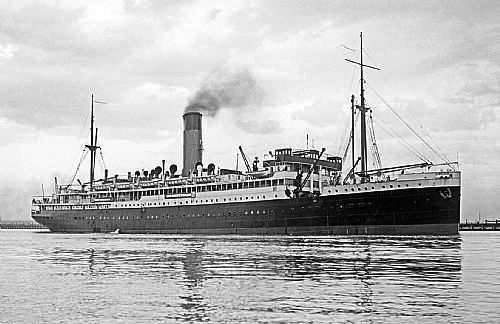
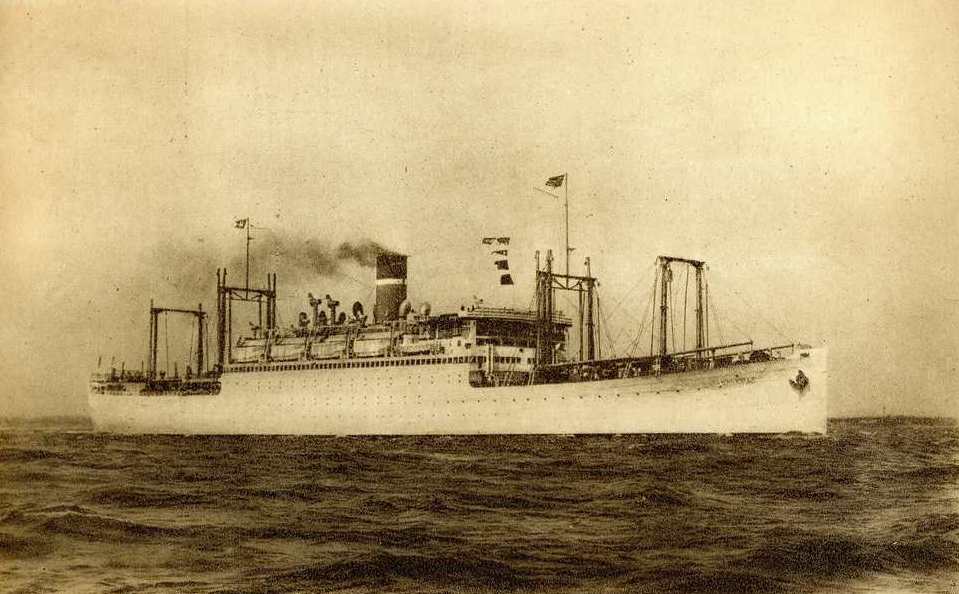
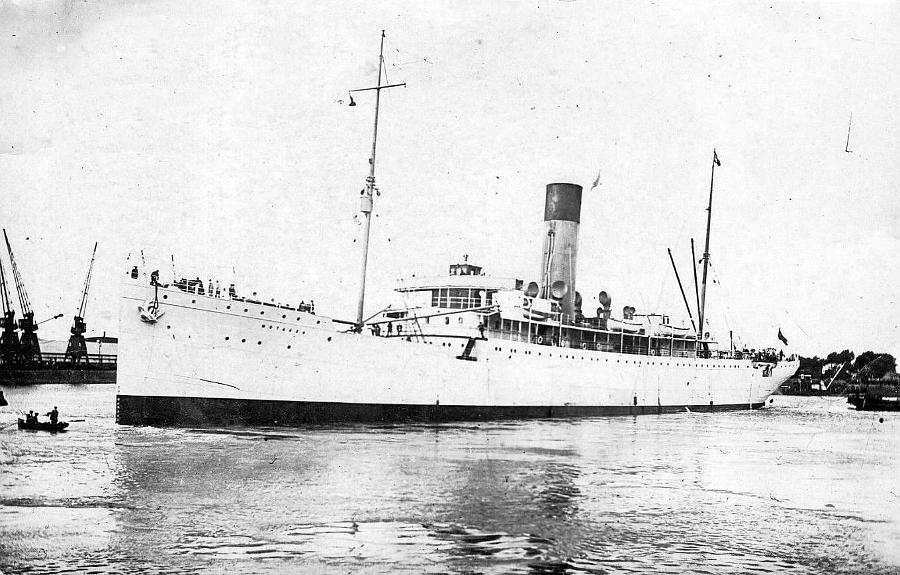
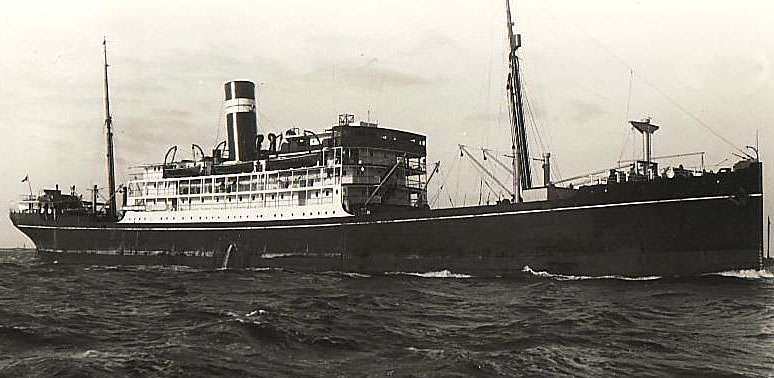

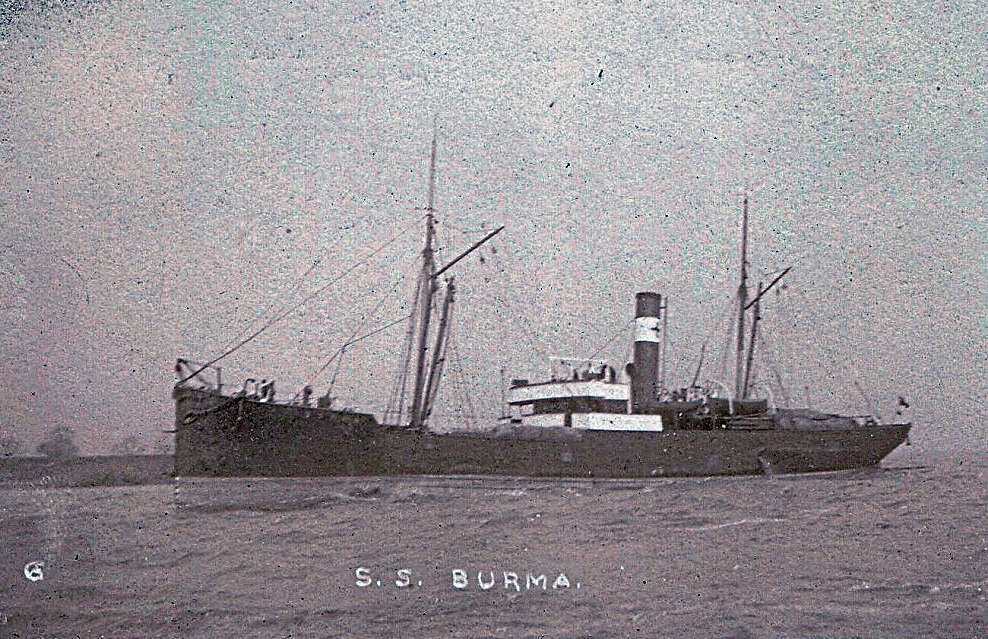
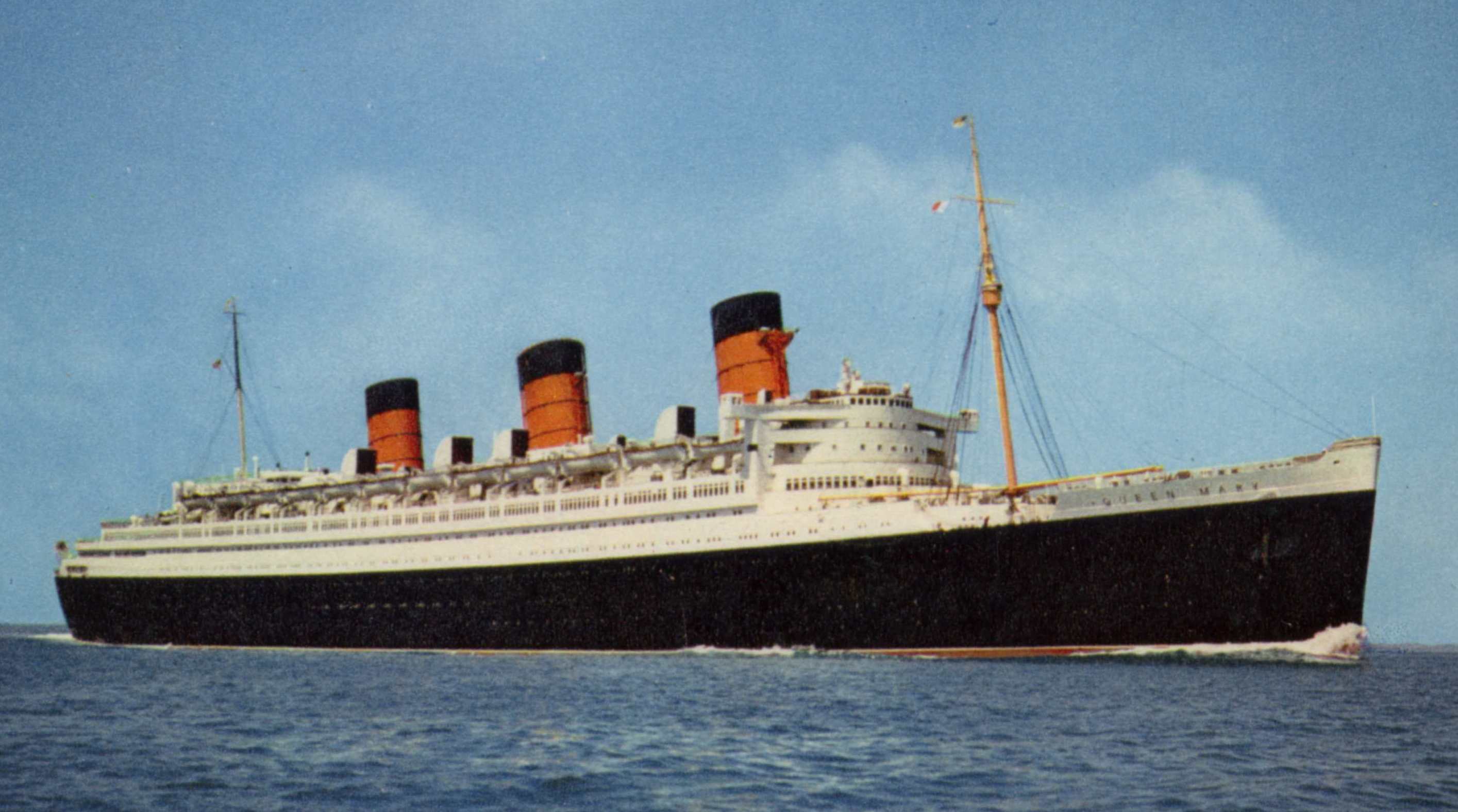
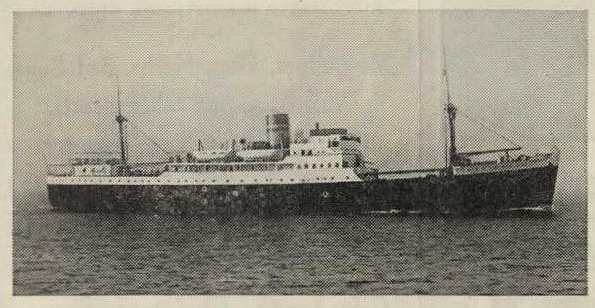
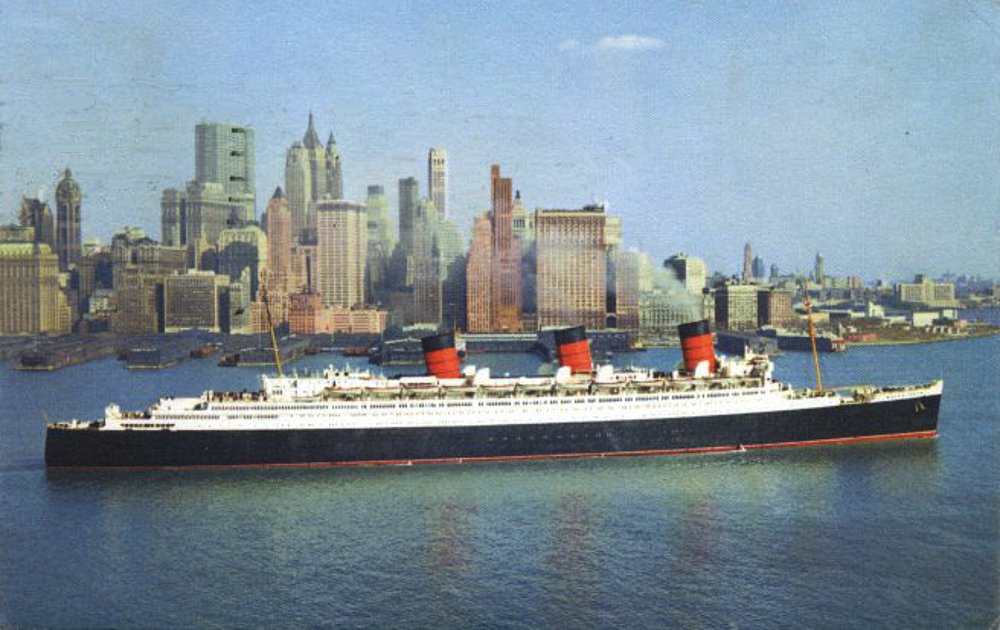
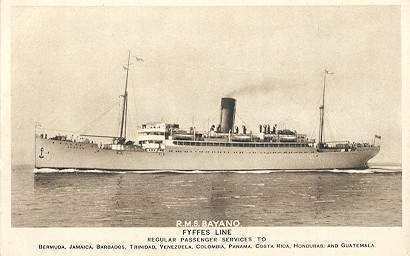
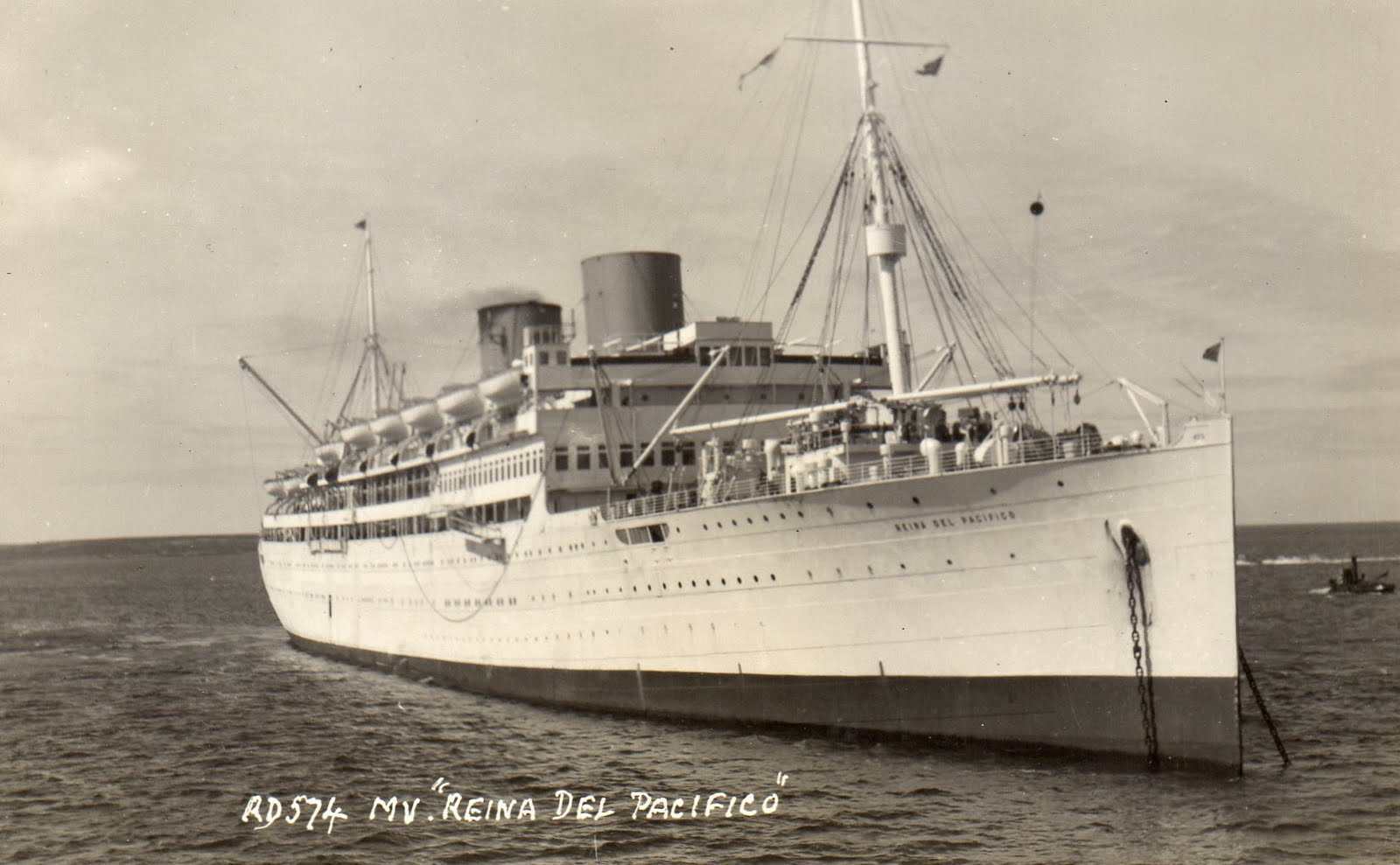
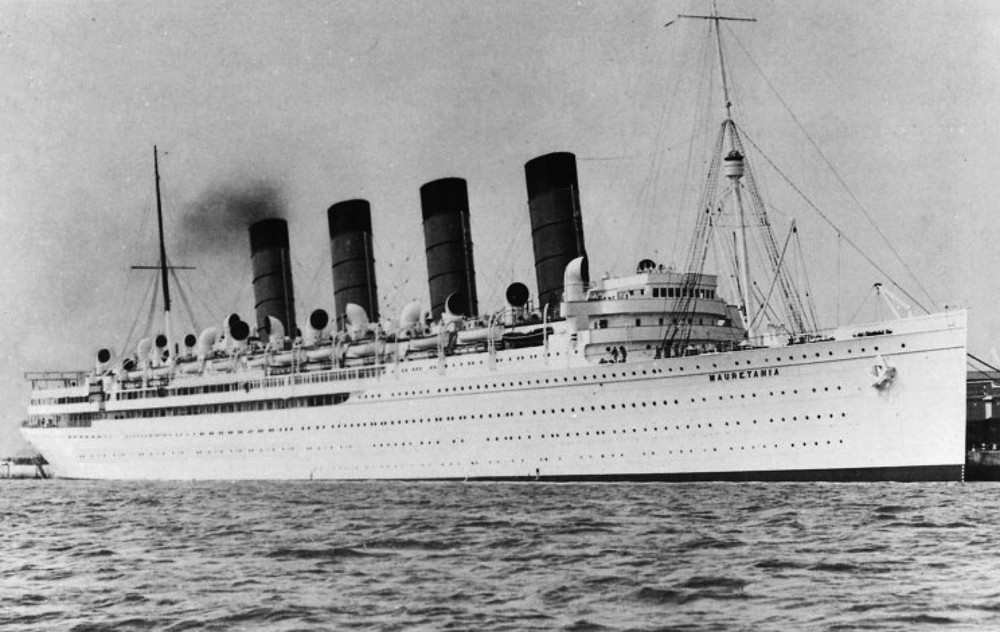

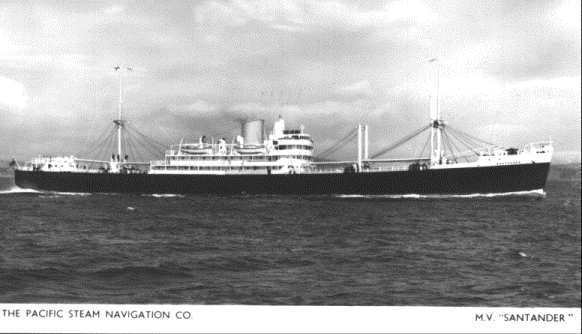
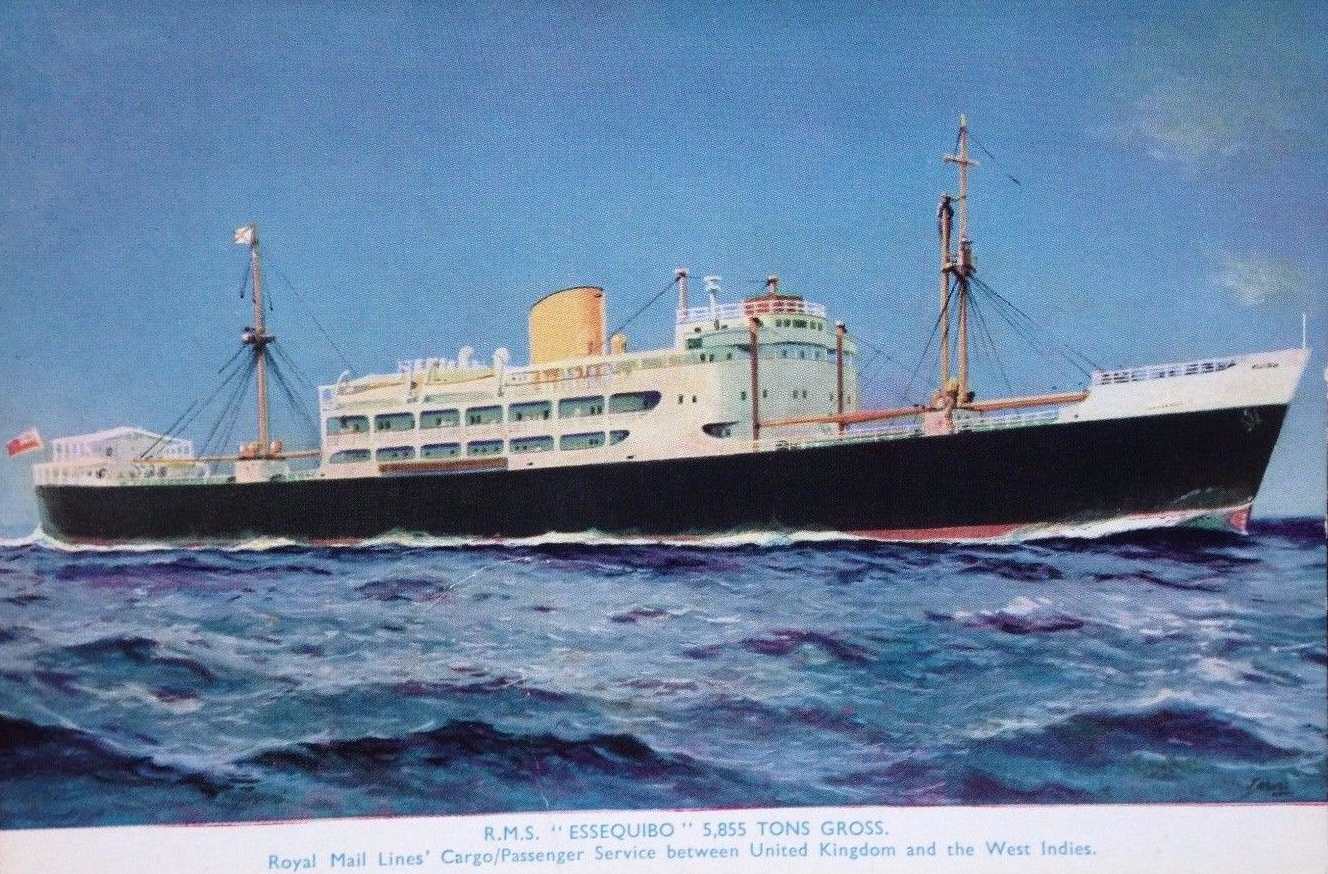
VOYAGE NOTES:
Frank: 6
Mabel: 10
Frank and
Mabel: 1, 11, 12, 13, 14, 15, 16, 17,18, 19
Frank, Mabel
and Rosemary: 2, 3, 4, 5, 8, 9
Frank, Mabel, Phyllis and Rosemary: 7
ADDENDUM
NO. 8
A
selection of miscellaneous notes pertaining to Frank Bertram Legh and his family
Source:
Barry Wright.
Frank
Bertram Legh’s brother, Arthur Herbert Legh, served in the Officer Training
Corps at Berkhamsted Boys School. He
was commissioned a 2nd Lieutenant in the Cheshire Regiment in 1916
and served during the Great War rising to the rank of Lieutenant.
He was later transferred to the Intelligence Corps and like his brother
he was awarded the Military Cross (London Gazette dated 3 June 1919, p. 6830.
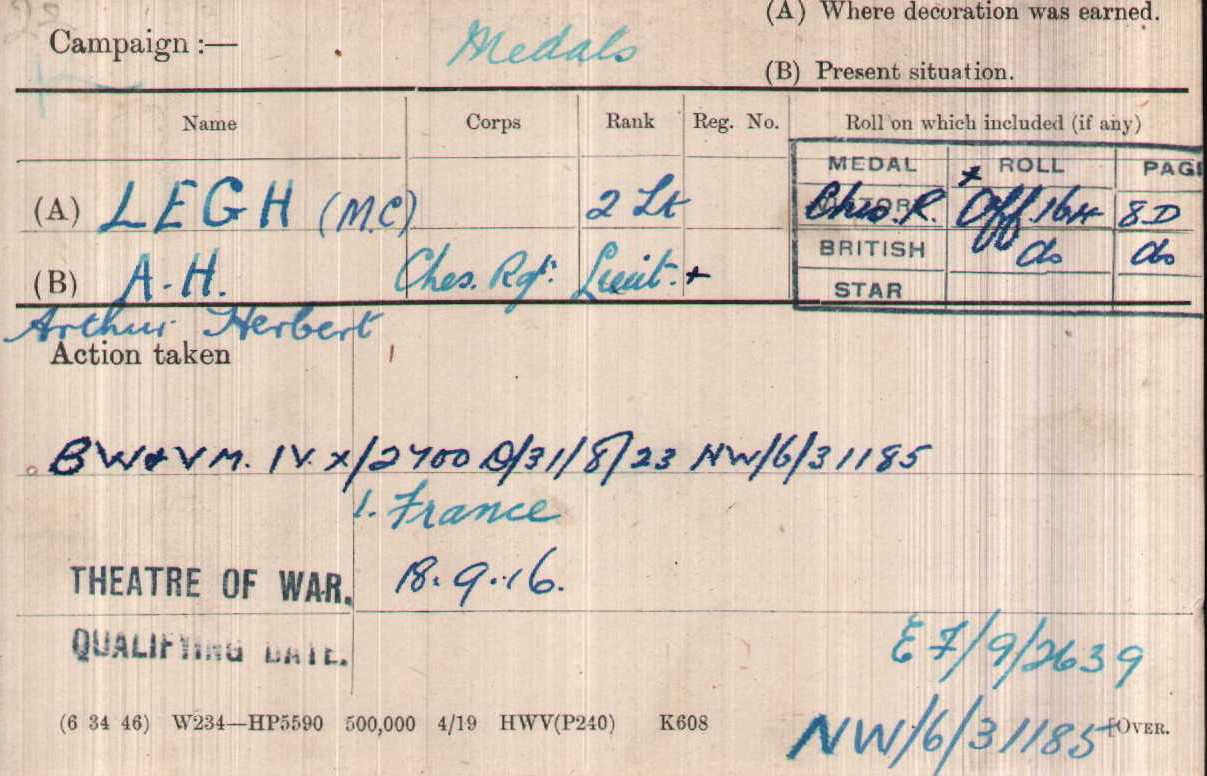
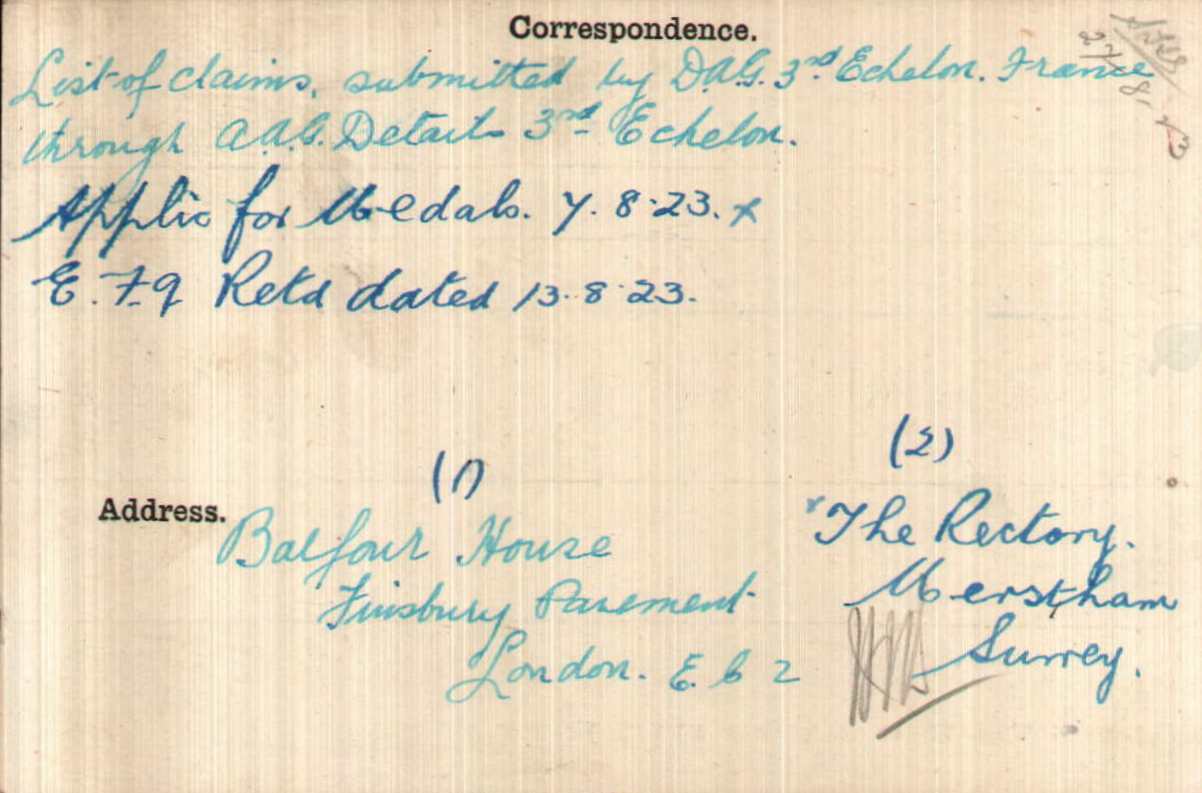
The
Medal Index Card of Lieutenant Arthur Herbert Legh, M.C., Cheshire Regiment.
His
Medal Index Card shows that he arrived in France on the 18th of
September 1916. He also was awarded
the British War Medal and Victory Medal. The
card shows two addresses for him immediately following the war.
He ultimately resided at 6 Cowper Road in Berkhamsted, Herts.
ADDENDUM NO. 9
Source:
John Keeling Roberts on 18 November 2018.
In
an email sent on 18 November 2018, John wrote the following:
My
interest in Francis Keeling is Family History – my mother was a Keeling.
I have an unpublished paper by Henrietta McCall, who has been hoping to
produce a book about the wives of eminent archaeologists. The paper is primarily
about Kathleen Woolley, wife of Sir Leonard Woolley, but includes a plausible
explanation of Colonel Keeling’s suicide.
In brief, the theory is that on the afternoon of his death, Keeling had
been told by his wife’s doctor, who had visited her that morning, something
truly shocking. It is surmised that she
“suffered from Complete Androgen Insensitivity Syndrome (CAIS). In this very rare condition, the subject is technically a man, having the XY chromosome, instead of the female XX, but she has the normal body shape and figure of a woman. The condition occurs in the developing foetus when androgen (the male hormone) is blocked, thus preventing the masculinisation of the male genitalia. When the baby is born, he looks like a girl. The male sex organs remain undeveloped and hidden, and are not usually discernible.”
She
agreed to marry Woolley on condition that their relationship could never be
physical, but she may not have known about her problem when she first married.
“Whatever the doctor saw on the doomed afternoon of 20th September 1919, and more crucially, whatever he said to Francis Keeling, in whatever terms, must have been of such a shocking and horrifying nature that Keeling saw only one way out of a situation in which his seemingly decorative wife, no doubt equally or even more at a loss, was unable to help him. It must be certain that the doctor had never encountered anything similar before, and it may well have been that in the heat of the moment he told Francis Keeling a terrible version of the truth, such as that he had married another man. Suicide was the instant, drastic and supremely tragic way out of a situation which seemed at the time utterly insoluble.”
I do not have the author’s permission to send you the paper, but it is possible to read a report of a talk she gave here.

Sir Leonard Wooley
ADDENDUM NO. 10
Additions and Corrections to the Research Regarding
Frank Bertram Legh
(The
comments contained in this Addendum were provided by Anne Willoughby of
Griffith, Canberra, Australia. F.B.
Legh was her grandmother’s brother)
· Anne Willoughby indicates that Figure 6 in the narrative does not properly identify the individuals in the photograph. Anne indicates that The photos show Frank Kite, Frank Legh's uncle with two of Frank Kite's brothers and their sister;. The group family photo was taken in 1897, not 1910 and Frank Legh is not in the group. I think David Legh Craig may be in Australia but I have not been able to locate him. He obviously cares about his family history, as do I, and I would really like to get in touch with him.
Some of the other data is not quite right. Norbury Booths Hall was
not destroyed in the 1960s. It has had several owners since the Leghs sold
it. Currently it is owned by a Manchester firm which hires out some of the
rooms as offices and others as Convention rooms. It is in excellent
condition and has been sympathetically preserved. The company has also
built many other offices in the grounds but the moat to the original Booths Hall
(replaced c1745) still exists. I have visited the property many times in
the last forty years.
Another data error involves the Pennington family. Ruth Legh, daughter of Peter Legh, did marry Thomas Pennington but there were no children to the marriage and after Ruth's death, Thomas married as his second wife, Helena Aston (descended from Mary Boleyn). But Thomas Pennington was the son of Anne Legh and nephew and godson of Ruth's father, Peter Legh - and much favoured by him.
ADDENDUM
NO. 11
Corrections to the Research Regarding Frank Bertram Legh
(The comments contained in this Addendum were provided by Mr. Andy Prada)
Captain
Legh actually remained in command of 31st Fortress Company until 12 October
1916, whereupon he handed over his command to Captain E.D. Powell. Legh
was promoted major shortly thereafter. This information has been verified
by an examination of the company war diaries found at the National Archives in
War Office files WO 95/243/6 and WO 95/243/7.
MISCELLANEOUS COMMENTS
Source:
Ruth Noble, the great granddaughter of Frank Bertram Legh.
Ruth’s
daughter, Emily, found an error in the Legh family tree in Addendum No. 2.
Rosemary Legh did not die in Petersborough in 1996.
She passed away in Tunbridge Wells in 2012.
Source:
Trevor Humphreys
The 31st Fortress Company was stationed in Malta prior to their deployment to Ceylon. Also on Malta were the 24th Fortress Company and 28th Company Submarine Mining.
Although Ceylon was important to the British Empire it only warranted half a Fortress Company. Commanding Officers were appointed for short tours and therefore changed frequently as the Army List shows. The company was rotated with one half in Ceylon in Echelon Barracks, Fort Colombo and the other half back at HQ Brompton Barracks.
Turning to the Company’s urgent return to England on SS Morea in 1914. The ship manifest shows 22 N.CO.s and men and 2 officers: Captain F. B. Legh and Lt J. J. Carter Also on board were Captain Legh’s wife and two children.
Captain Legh continued to serve with the 31st and deployed with his company to France. They entrained at Chatham on 13 December 1914 bound for Southampton where they embarked on the S.S. Australind bound for Le Havre. They were eventually deployed east of St Omer along the Northern French coalfields with its centre at Vermelles. When the military had a change of heart over the best means of transportation the Company (from the second half of 1916) became involved in the creation, maintenance and running of a narrow gauge light railway. To reflect these changes, the company changed its name firstly to 31 Army Troops Company and eventually became 10 Army Tramway and Foreway Company.
According to the unit diary Captain Legh handed over command of the Company on 12 October 1916 to Captain Stanley Powell R.E. Therefore his promotion to Major and his posting to 5th Survey Company most likely coincided on or around 2 November 1916 assuming he was entitled to leave immediately prior this.
REFERENCES
Books
1. CHASSEAUD, P.
Artillery's Astrologers: A History
of British Survey and Mapping on the Western Front, 1914-1918.
Mapbooks, Lewes, 1999.
2. INNES, J.R.
Flash Spotters and Sound Rangers.
George Allen & Unwin Ltd.,
3. MERRIAM WEBSTER.
Geographical Dictionary,
Census Data
1. 1861 Census of
2. 1881 Census of
3. 1901 Census of
Computer Databases
Soldiers Died in the Great War, 1914-19. The Naval & Military
Press Ltd., Heathfield,
Documents
1.
Certified Copy of an Entry of Birth, General Register Office,
2. LEGH, R.
An Outline of the Lives of Frank
and Mabel Legh – 1880-1972. An
unpublished document produced by their son, Richard Legh.
Internet Web Sites
1. Ancestry.com
-
2. The National Archives (
Maps
Periodicals
1.
2.
3.
4.
5. London Gazette, Supplement
No. 31080, 20 December 1918, p. 15039.
6. London Gazette, 23 March
1973.
7. Official Army (Gradation)
List, January 1911, p. 996.
8. Monthly Army Lists, April to
June 1903, p. 457.
9. Monthly Army List, April to
June 1907, p. 456.
10. Monthly Army List, October to December 1910, p. 455.
11. Monthly Army List, October to November 1911, p. 455.
12. Monthly Army List, December
1911, p. 456.
13. Monthly Army List, December
1912, p. 799.
14. Monthly Army List, April
1914, p. 798.
15. Monthly Army List, June
1919.
16. Monthly Army List, December
1920.
17. Monthly Army List, June
1926.
18. Monthly Army List, November
1926.
19. Quarterly Army List, October
to December 1920.
20. Half-Yearly Army List for
the Half-Year Ending 21 December 1922, p. 732.
21. Royal Engineers Monthly
List, January to December 1905, p. xii.
22. Royal Engineers Monthly
List, January to December 1908, pp. xii and xxvi.
23. Royal Engineers Monthly
List, January to December 1910, pp. xi and xxii.
24. Royal Engineers Monthly
List, January to October 1912, pp. x and xxii.
25. Royal Engineers Monthly
List, November and December 1912, pp. x and xxiii.
26. Royal Engineers Quarterly
List, January 1930.
27. Royal Engineers Quarterly
List, April 1930.
28. Royal Engineers Quarterly
List, July 1930.
29. Royal Engineers Quarterly
List, April 1931.
30. Royal Engineers Quarterly
List, October 1932.
31. Royal Engineers Quarterly
List, October 1933.
32. Royal Engineers List, 1943.
33. Royal Engineers List, 1962.
34. Royal Engineers List, 1970.
35. Royal Engineers Journal.
36. Royal Engineers Journal,
December 1989.
37. The Sapper, November 1914,
p. 83.
38. The Sapper, October 1928.
Research Works
GASE, S. Company Moves of the Royal Engineers. West Drayton, Middlesex, 2003.
ENDNOTES
[1] Officially Royal Tunbridge Wells.
[2]
Charlton is located in the Greater London area, approximately 2 miles due
east of
[3] It should be noted that Catharine Legh and her family could not be found in the 1871 Census of England.
[4] Henry and Isabella would eventually have a total of seven offspring.
[5] Frank Bertram Legh's birth was registered on the 26th of October 1881 by one H.G. Pain, Registrar.
[6] LEGH, R., p. 1.
[7] Gradation List, January 1911, p. 996.
[8] Monthly Army List, April 1903, p. 457.
[9]
An island in the Indian Ocean located about 450 miles east of
[10]
[11] Monthly Army Lists, May and June 1903, p. 457.
[12] Official Army (Gradation) List, January 1911, p. 996.
[13] Royal Engineers Monthly List, January 1905, p. xii.
[14] Monthly Army List, June 1907, p. 456.
[15] Royal Engineers Monthly List, January 1908, pp. xii and xxvi.
[16] Royal Engineers Monthly List, April 1912, pp. x and xxii.
[17] Gradation List, January 1911, p. 996.
[18]
The Sapper, November 1914, p. 83.
[19] INNES, J.R., p. 12.
[20] The London Gazette Supplement No. 29422, dated 1 January 1916.
[21] CHASSEUD, P., p. 94.
[22] This supposition is based on the fact that Legh is subsequently mentioned in the actions of the 5th FSC as discussed in Peter Chasseud's book.
[23]
[24] Monthly Army List, December 1920.
[25]
The
[26] CHASSEUD, P., p. 256.
[27]
[28] Ibid.
[29]
The
[30] CHASSEUD, P., p. 337.
[31] During this period Peter Chasseud states that an unnamed subordinate of Legh's describes Legh as "quite tame but is evidently a strait-laced person."
[32] CHASSEUD, P., p. 441.
[33] Ibid., p. 391.
[34] Ibid., p. 441. Although he was appointed to this position, it appears that Keeling was still in command of the company at this time.
[35] Ibid., p. 393.
[36] Ibid., p. 429.
[37] Ibid., p. 444. Lieutenant Colonel Keeling commanded the battalion upon its organization.
[38]
[39] Lieutenant Colonel Francis Keeling committed suicide on the 20th of September 1919 after learning of a serious and sensitive medical problem associated with his wife.
[40] CHASSEUD, P., pp. 444, 448, 469 and 471.
[41] Ibid., p. 476.
[42] Soldiers Died in the Great War, 1914-19.
[43] The Monthly Army List, December 1920, p. 796.
[44]
[45]
Legion d'Honneur, Croix de Chevalier.
[46] Monthly Army List, June 1919, p. 2525.
[47]
Further redesignation of the Board, to
include amalgamation with other government departments were as follows: The
Ministry of Food (1916-1955), The Ministry of Agriculture, Fisheries and
Food (1955-2001), and The Department for Environment, Food and Rural Affairs
(2001- ). A Board or Society for the Encouragement of Agriculture and
Internal Improvement was constituted by Royal Charter in 1793 and wound up
in 1822. It was succeeded in 1838 by the English Agricultural Society
(renamed the Royal Agricultural Society of England in 1840). The Board and
the Society aimed to improve farming practice in
Between 1836 and 1841 the government set up three bodies of
Commissioners to deal with particular questions of land tenure: the
Commissioners for Tithe, the Enclosure of Common Land, and the
Enfranchisement of Copyhold Land. The three bodies were merged in 1882 to
form a Land Commission of England responsible to the Home Secretary.
The Cattle Plague Department was established in 1865 to deal with an
epidemic of the cattle plague known as rinderpest. At first the Department
was a branch of the Home Office. It transferred to the Privy Council in
1866. In 1870 its title was changed to the Veterinary Department. In 1883 it
became the Agricultural Department and took over from the Board of Trade's
responsibility for the publication of the annual agricultural statistics.
The statistics were collected by the Board of Inland Revenue.
The Board of Agriculture Act 1889
established a Board of Agriculture, which took over the powers, and duties
of the Land Commissioners and those of the Agricultural Department. It was
given responsibility also for the Ordnance Survey, the collection and
preparation of agricultural (and forestry) statistics, and for agricultural
and forestry research and education. The Board never met. Its powers were
exercised by the President.
[48] Royal Engineers Quarterly List, July 1930, p. xxv.
[49] The Sapper, October 1928, p. 72.
[50] Royal Engineers Quarterly List, January 1930, pp. iii and xxviii.
[51] Royal Engineers Quarterly List, July 1930, p. xxv.
[52]
[53] Richard Legh’s account of his parent’s life indicates that they were married at Southsea on the 13th of September 1904 and that Mabel’s twin brother, the Reverend R.P. Goldney officiated at the wedding.
[54] William Henry Goldney. Lieutenant, 15-12-1871; Captain, 15-12-1883; Major, 3-8-1890 and Lieutenant Colonel, 26-5-1898.
[55] George Francis Bennett Goldney is thought to have been one of these brothers. He was commissioned a 2nd Lieutenant in the Royal Engineers on the 23rd of June 1898 and was promoted to Lieutenant on the 14th of February 1901. He saw active service in the South African War of 1899-1902. The Monthly Army List for April 1914 also lists the following five officers named Goldney:
· Lieutenant C. Le B. Goldney, Army Service Corps.
· Lieutenant H.W. Goldney, Royal Artillery.
· 2nd Lieutenant L.P. Goldney, Royal Artillery.
· Captain P.C. Goldney, Army Service Corps.
· 2nd Lieutenant R.M. Goldney, Royal Artillery.
[56] LEGH, R., p. 1.
[57] Ibid.
[58] Ibid.
[59] Ibid., p. 2.
[60] The Monthly Army List of April 1914 shows a Major A.M.R. Legh serving with the Cheshire Yeomanry, Territorial Force. It is not known if this was Frank’s brother Arthur.
[61] LEGH, R., p. 2
[62] Ibid.
[63] Ibid.
[64] Ibid.
[65] Ibid.
[66] Ibid.
[67] Ibid., p. 3.
[68] Ibid.
[69]
In April of 1931 his mailing address was c/o Lloyds Bank Ltd. at 6 Pall
Mall,
[70] LEGH, R., p. 3.
[71]
While they were living abroad Legh used
Lloyds Bank as their mailing address. Legh
continued to use his Lloyds mailing address until 1935.
[72]
[73] London Gazette, 23 March 1973.